
Stories from the Far North
Travelling through Finnmark is less about ticking sights than following a thread of history and landscape across Norway’s far north-east. The road curves past remote fishing villages, seabird cliffs and war memorials, each place carrying stories of endurance and change. Yet what lingers most is not the scale of the Arctic, but the welcome of its people: straightforward, generous, and ready to fold visitors into the routines of daily life.
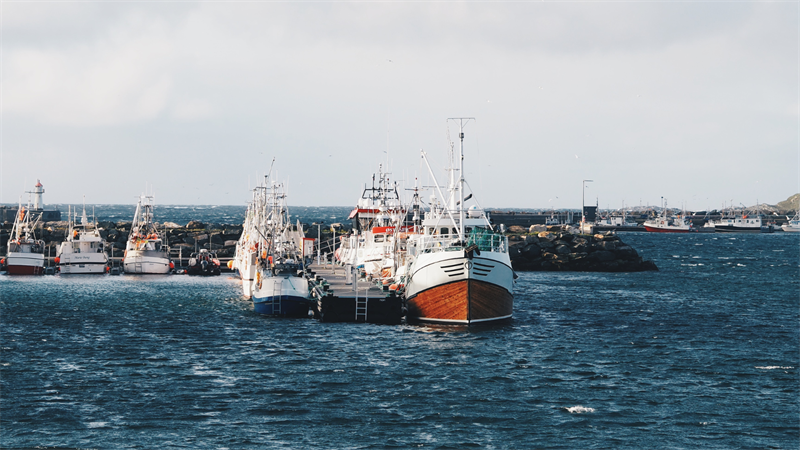
This guide spans five days, beginning in Kirkenes before sailing west with Hurtigruten to Vardø. From there, the road follows the Varanger coast to Hamningberg along the Varanger National Tourist Route, then loops back towards Kirkenes via Ekkerøy, Vadsø, Varangertunet and Bugøynes. It is a route that reveals Finnmark as it is lived: varied landscapes, layered history and everyday encounters that give a picture of life in the far north.
Day 1: At the Gateway to the Barents
Kirkenes is the natural starting point for a journey through eastern Finnmark. Close to the Russian border and the Barents Sea, it has always been a frontier town, shaped by trade, war and survival in an Arctic climate.
For centuries, commerce flowed both ways: fish exchanged for timber and salt, with a shared russenorsk language created so Norwegians and Russians could do business. The discovery of iron ore in the early 1900s brought industry and workers, making Kirkenes one of Norway’s most important mining towns. The mines shaped the town for much of the 20th century, and traces of that history remain visible today.
The Second World War left deeper marks. Kirkenes was among the most bombed places in Europe, and when peace came in 1945 only 13 houses remained standing. The scars are still visible. Andersgrotta, a bomb shelter tunnelled into the rock below town, shows where families sheltered for weeks as air raids pounded above.
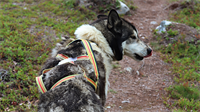
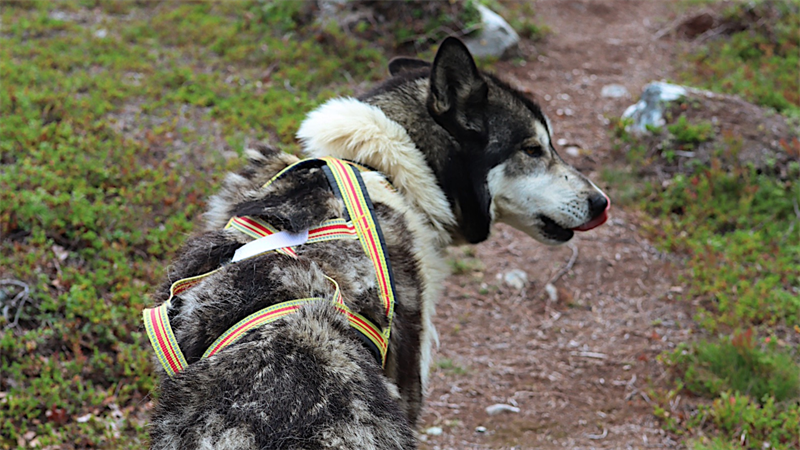
These days, Kirkenes is better known for Arctic experiences. The Snowhotel, just outside town, is one of the most visited attractions in Northern Norway. More than its ice rooms, it is home to 160 huskies. In summer, visitors join guided hikes through the surrounding fells, each paired with a dog, and in winter, the same huskies lead dog-sledding tours across the snow. When they retire, the animals are adopted into local homes, giving a glimpse of the deep connection between people and working dogs in the north.
The hotel itself welcomes around a thousand people on peak days. Guests sleep in insulated arctic bags in rooms carved from ice, with morning sauna and a hot breakfast to follow. The appeal lies less in luxury than in the ingenuity of living comfortably in a harsh climate.
For travellers, the town is both a starting point and a reminder: Finnmark is not refined, but it is full of history and shaped by resilience.
Overnight stay: Thon Hotel, Kirkenes
Travel route: Hurtigruten to Vardø (about three hours)
Day 2: Life on the Edge of Europe
Vardø lies on an island in the Barents Sea, further east than Istanbul and long shaped by its position at the edge of Europe. It is not a polished town, but one that surprises visitors with its character.
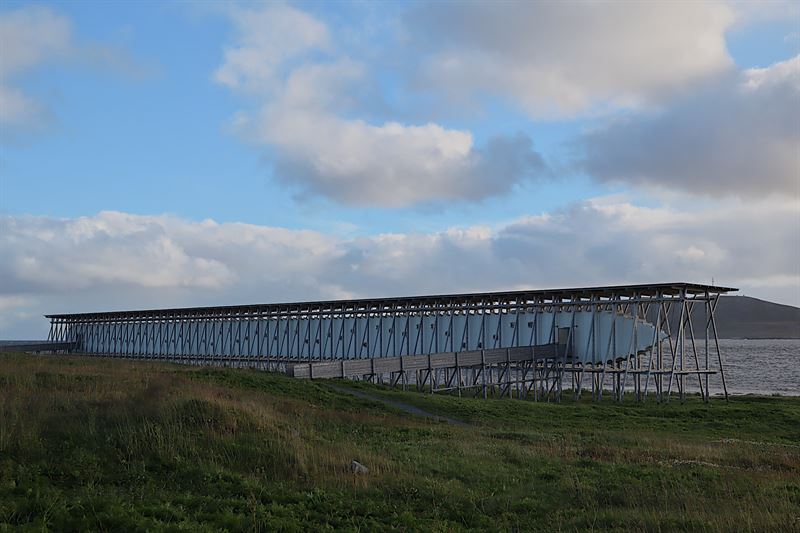
History is visible everywhere. Once known as the great fishing metropolis of the north, the harbour is still lined with vessels, reminders of the sea’s central role in sustaining life here for centuries. The Steilneset Memorial recalls the 91 people burned as witches in the 1600s, its dim corridor of windows an unsettling reminder of how fear once ruled here. That story is brought to life each summer in a theatrical re-enactment of a witch trial, staged inside the walls of Vardøhus Fortress, the northernmost stone fort in the world. The Second World War brought new destruction. Vardø, like much of Finnmark, was bombed and burned, and families had to rebuild from scratch. That spirit of endurance and cooperation still defines the community.
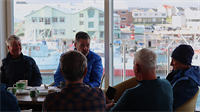
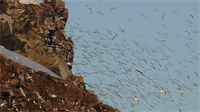
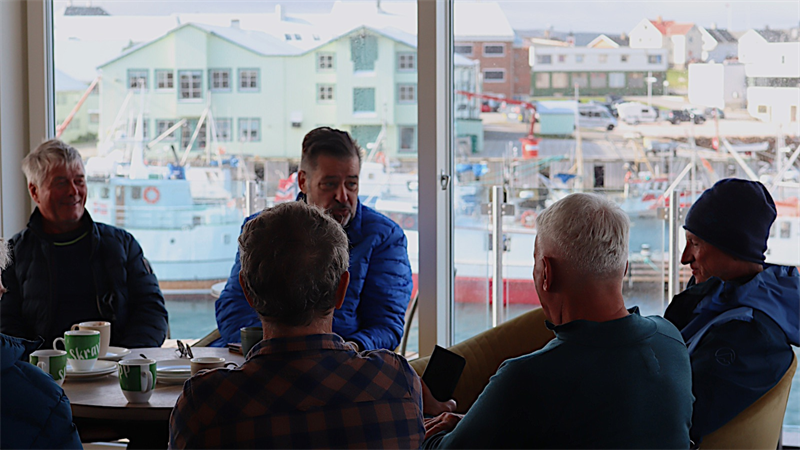
Daily life is marked by small rituals. Each morning locals drift into the harbour café, sharing news and talk in a town where community remains central. In March that same spirit takes to the streets for the annual snowball fight festival — light-hearted on the surface, but taken with the utmost seriousness. In summer, boats head for Hornøya, home to one of Norway’s largest seabird colonies, where puffins, kittiwakes and cormorants fill the cliffs.
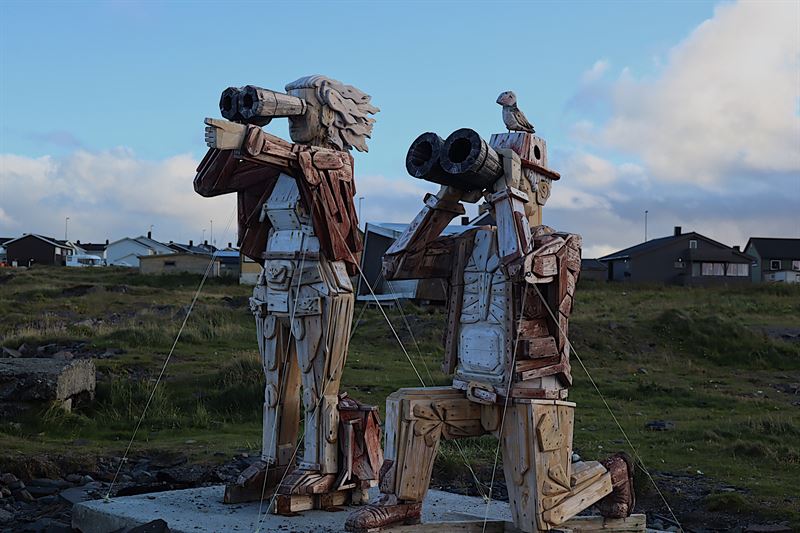
Back on land, meals reflect the Varanger fjord. Cod, king crab, Arctic char and seasonal berries are prepared with pride and served without fuss. Vardø is also home to the well-known “Varangerkokken”, local chef Tor Emil Sivertsen, who has built a reputation for turning the region’s ingredients into memorable dishes.
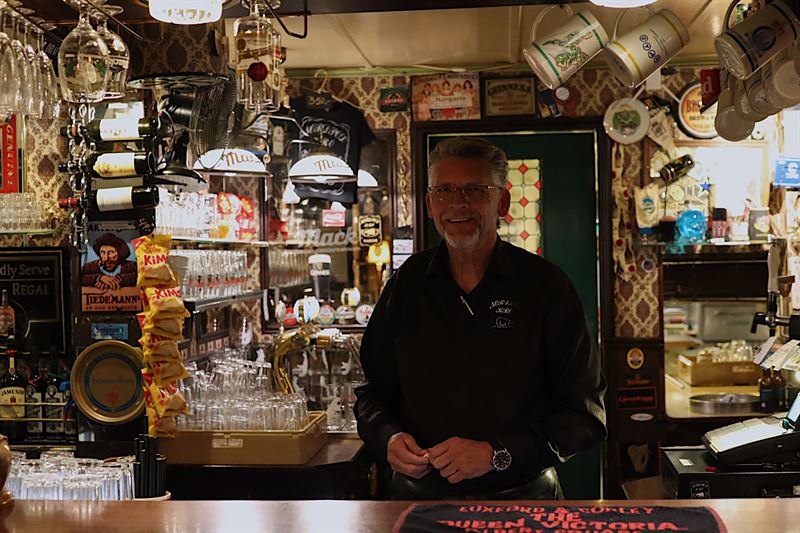
Evenings often end at the Nordpol Kro, northern Norway’s oldest bar, where locals and visitors still gather much as they did more than 160 years ago. Its walls are crowded with photographs, fishing gear and curiosities, turning it into a kind of living museum. Conversations here are straightforward, sometimes blunt, but open, an extension of a town that has always welcomed those willing to come this far.
Overnight stay: Vardø Hotel
Day 3: To Quiet Horizons
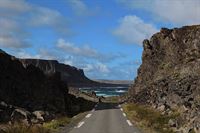
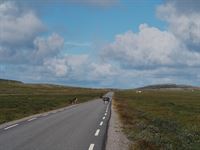
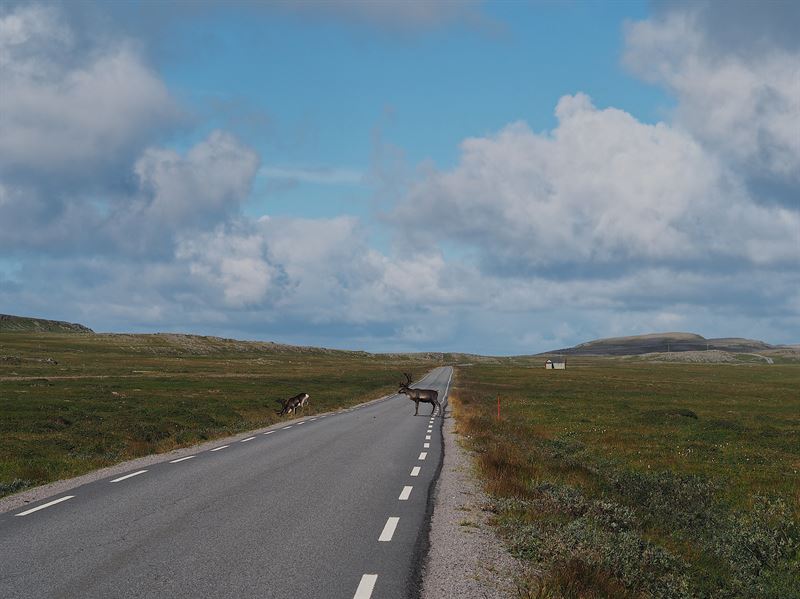
No visit to Vardø is complete without taking the road to Hamningberg, one of Norway’s National Tourist Routes, and the easternmost stretch of the European highway E75. It runs only in summer, and even in the light months it feels remote. The terrain shifts constantly. Tundra giving way to rocky coastline, patches of birch scrub giving way to bare cliffs, before turning into a moon-like landscape. Reindeer, rabbits, and seabirds are a common sight, but otherwise there is little sign of life apart from a scattering of summer houses. For long stretches the road feels wide, raw and silent.
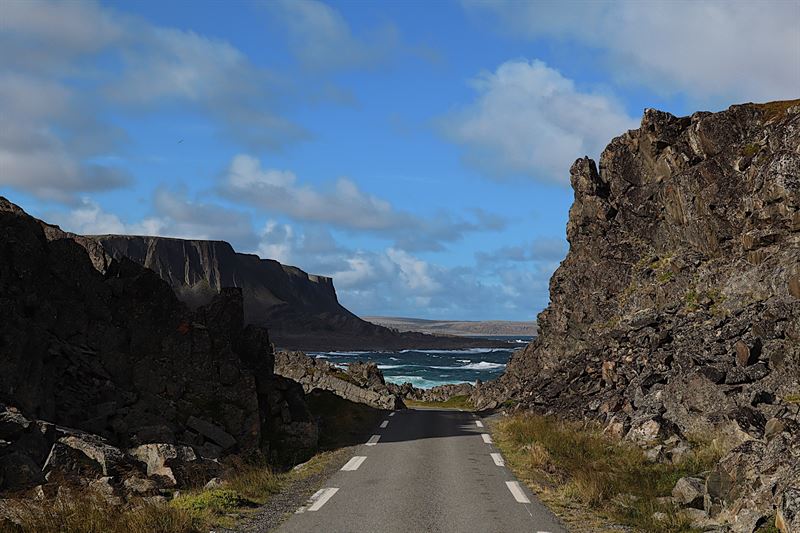
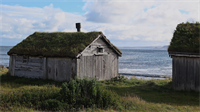
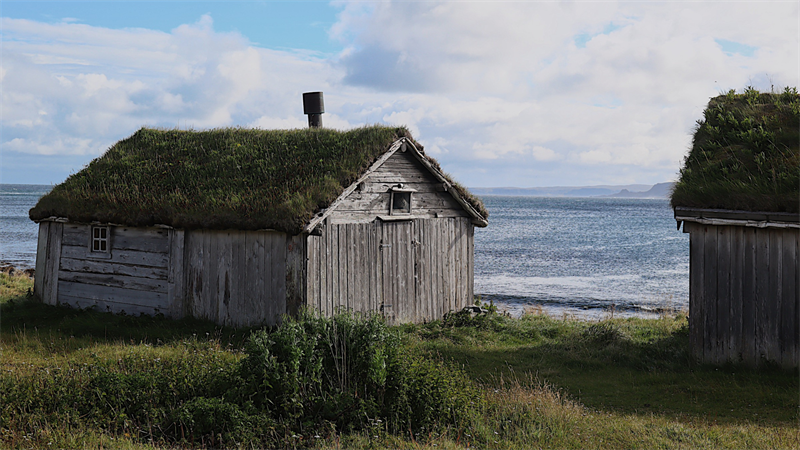
At its end lies Hamningberg. Once a thriving fishing village, it was abandoned after the Second World War but never demolished. The wooden houses still stand, weathered but intact, facing the sea as they have for generations. Walking among them is like stepping into a place suspended in time, a reminder of how fragile and exposed life could be on the Varanger coast.
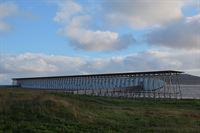
Returning to Vardø, the contrast is immediate. At Varanger View, modern cabins face the horizon, their glass walls framing sea and sky. Here, time slips away while you watch nature unfold outside the window. A wood-fired sauna by the shore adds warmth to the quiet, with the opportunity to jump into the Arctic Sea. It is a small luxury, but one that belongs here. It is a simple pleasure that fits the rhythm of Finnmark.
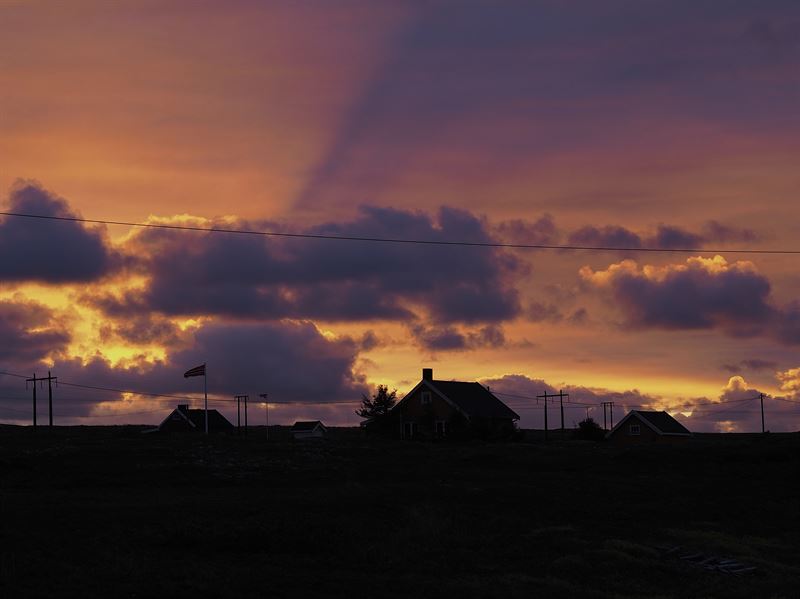
Overnight stay: Varanger View cabins, Vardø
Travel route: Round trip from Vardø to Hambingberg, 90 km
Day 4: Stories of the Coast
Heading west from Vardø, the journey continues along the Varanger coast, where small communities tell as much about Finnmark as the landscapes that surround them. At Ekkerøy, one of the oldest fishing villages in the region, life is still tied to the sea. Its dramatic bird cliffs are home to thousands of seabirds in summer, and the island is also the setting for Ekker Island Arctic Lodge. Some guests come for the birdlife, but many are drawn by the quiet. Staying here means being welcomed into the hosts’ own world of stillness and coastal life, a rhythm they share generously with their guests.
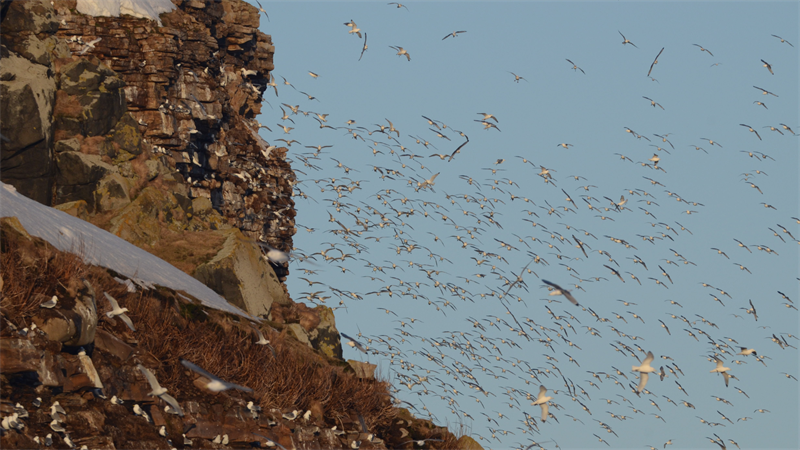
Further along the road lies Vadsø, a town shaped by migration and history. Many of its families trace their roots to Finnish Kven settlers, and the culture still shows in language, traditions and food. Vadsø also played a role in polar exploration: the mast that once moored Amundsen and Nobile’s airships still stands on the edge of town, a reminder of the era when the Arctic skies were routes of discovery. Today, Vadsø is practical and working in character, but beneath that surface lies a blend of identities that has long defined the Varanger region.
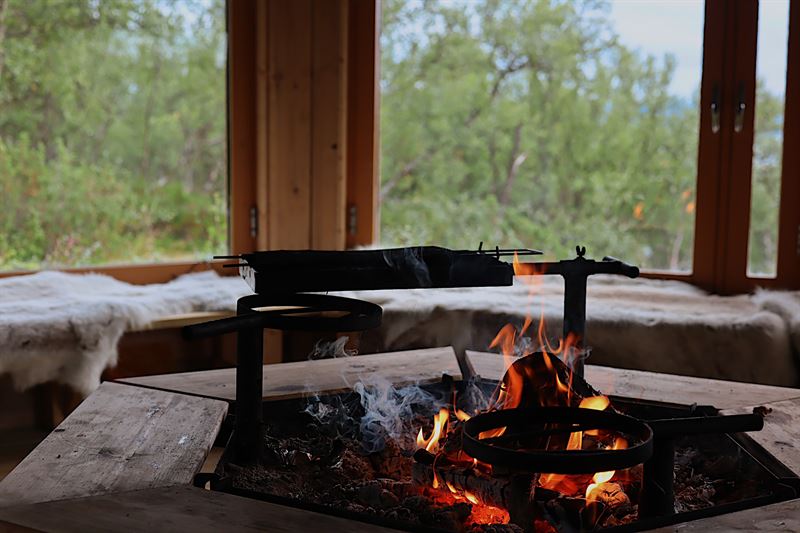
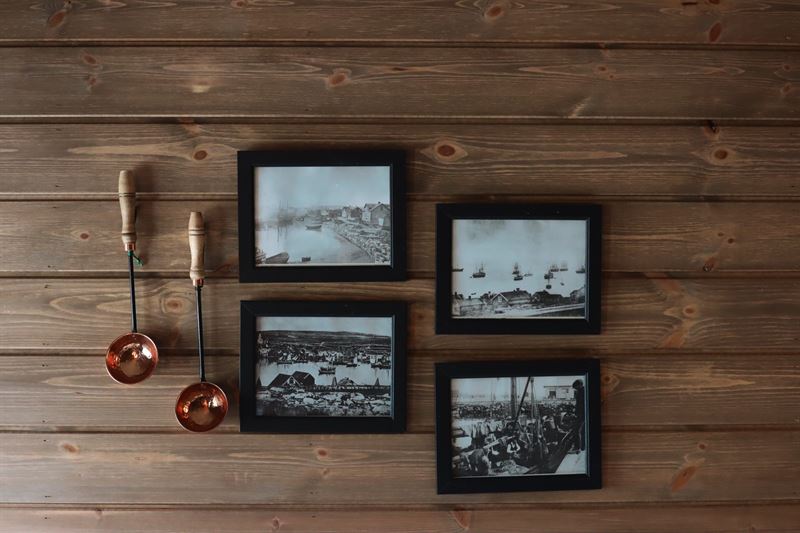
The road turns inland to Varangertunet in Vestre Jakobselv, a family-run hotel where Siren and Jan Egil Jankila welcome guests into their world, shared with warmth and honesty. Storytelling is central here. In the lavvu, evenings stretch long as they recount wartime hardships, the will to rebuild from nothing, and the family histories that still shape life in the valley. Around it, fjord and river provide both backdrop and resource: local food on the table, a wood-fired sauna with ice-bathing in the river, walks in the surrounding nature. The hosts are generous with their knowledge, of the landscape, of village life, and of traditions handed down, and they shape each stay around the interests of their guests. Everything is offered in the same spirit of openness, with a care that nothing should come at the expense of the village or the landscape.
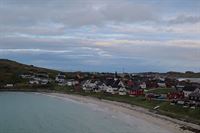
From here the road carries you mile after mile along tundra and fjord, until Bugøynes appears, like a hidden pearl tucked into the Varangerfjord.
Overnight stay: Bugøynes Hotel
Travel route: Total route from Vardø to Bugøynes, 185 km
Day 5: A Crash Course in Northern Life
Known as “little Finland” for the many Finnish settlers who made it home, Bugøynes carries its heritage in both culture and community spirit — and in the way locals like Trond Høiberget and his family at Visit Bugøynes welcome you. Not as a tourist, but as a guest.
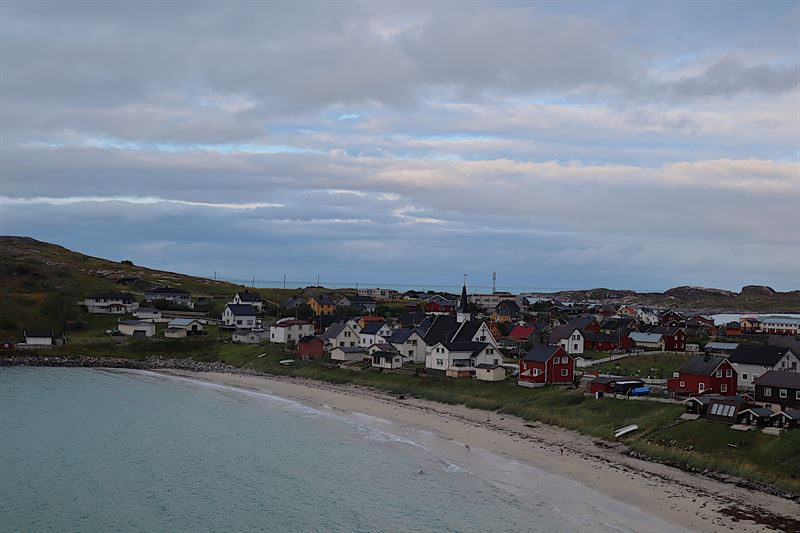
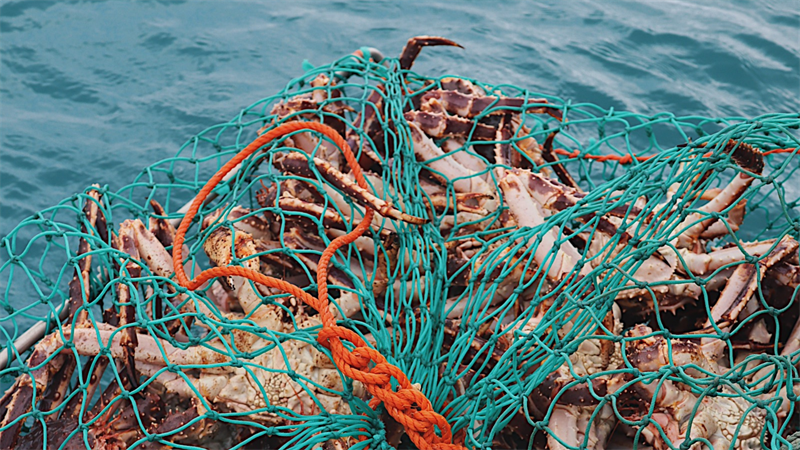
Here, the sea provides both livelihood and experience. Out on a king crab safari, you learn how the giant crabs were first brought from Russia in the 1960s, how only a handful survived to become the millions found in the Barents Sea today, and how strict quotas protect the local fishery. Then comes the meal: crab pulled straight from the pots, steamed for ten minutes, cracked open with scissors, and eaten with bread, butter, and aioli. It’s as simple as it is unforgettable.
Bugøynes is however not only about crab. Whales and seals might appear just off the shore, a reminder of the richness of these northern waters. And on land, the sauna is central, a ritual of heat, cold, and conversation that feels as much cultural as physical.
Spending time here is to be folded into daily life, guided by hosts who share their stories with generosity and pride. In many ways, a day in Bugøynes is a course in northern life. It is raw, authentic hospitality, the kind that lingers long after the meal is over.
In the evening, the journey bends back toward Kirkenes, a final drive along the Varanger coast before the trip comes full circle.
Overnight stay: Thon Hotel Kirkenes
Travel route: Bugøynes to Kirkenes, 98 km
Beauty in the Contrasts
Travelling through eastern Finnmark is less about attractions than about encounters. Each place on this route, from Kirkenes to Vardø, Hamningberg to Bugøynes, tells a story of survival, rebuilding, and belonging in the far north. The landscapes are open and dramatic, but the real richness lies in the welcome of the people, in meals from sea and land, and in traditions passed down through generations.
What lingers most is the sense of being invited in, and Finnmark stays with you in its contrasts: vast silence and lively conversation, harsh weather and warm hospitality, the feeling of standing at the edge of Europe yet being drawn close by those who call it home.
For more images or information, please contact:
Rigmor Myhre, Communication Manager B2C
E-mail: rigmor@nordnorge.com
Phone: +47 95855320
Tags: