
When tourism grows, who takes care of nature?
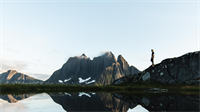
Over the past decade, visitor numbers in Ånderdalen National Park on the Arctic island of Senja have grown tenfold. At the same time, the dramatic peak of Segla has become one of Northern Norway's most photographed and recognisable landmarks, attracting visitors from around the world. The question facing local communities is increasingly familiar around the world: when tourism grows, who takes care of nature?
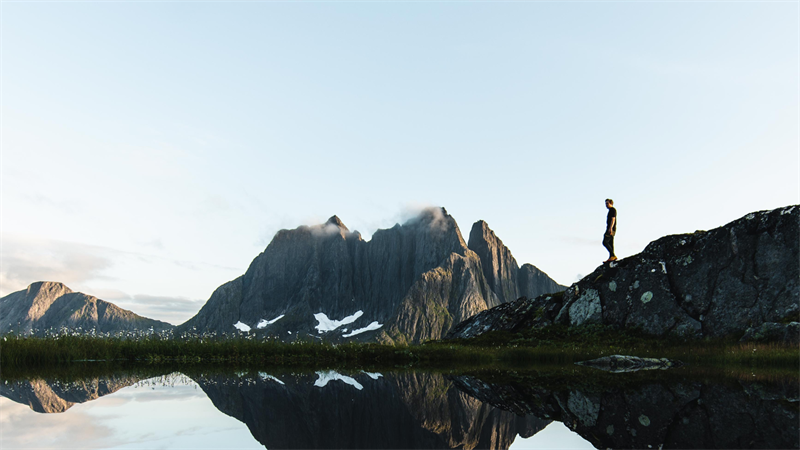
Tourism has played an important role in Senja's development, helping put the island on the international travel map and supporting local businesses and communities. At the same time, growing visitor numbers have increased pressure on hiking trails, mountain vegetation and fragile natural habitats, particularly around some of the island's most popular attractions.
The challenge is not unique to Senja. From the Arctic to the Alps, destinations are grappling with how to welcome visitors while protecting the natural environments that make them worth visiting in the first place.
So who takes care of nature when tourism grows?
Turning visitors into contributors
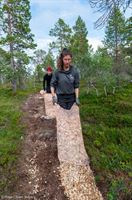
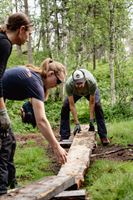
On Senja, local partners are exploring one possible answer. Through A Helping Hand, a volunteer conservation programme developed by Rissa Citizen Science in collaboration with the Ånderdalen National Park Board, Senja Municipality and Visit Senja Region, a small group of participants are invited to spend part of their holiday helping restore trails, map biodiversity and support conservation efforts across the island. The aim is simple: to explore whether visitors can contribute to the places they visit, rather than simply pass through them.
Rooted in the Norwegian tradition of dugnad (voluntary community work for the common good) the initiative reflects a long-standing culture of collective responsibility. Through A Helping Hand, that tradition is extended to visitors, inviting them to take part in caring for the landscapes they have come to experience.
– As Senja grows in popularity, we want to ensure that tourism gives back as well as takes. A Helping Hand is part of our wider ambition to develop a more regenerative approach to tourism, creating opportunities for visitors to contribute positively to nature and local communities while experiencing the destination, says Julie Lauritzsen from the Visit Senja Region.
Giving back
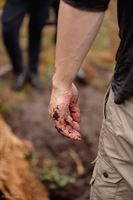
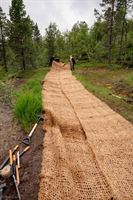
Participants contribute to a range of projects, including trail restoration, wetland recovery, biodiversity mapping and visitor management initiatives. Working alongside local experts, conservation managers and citizen scientists, volunteers gain practical insight into Arctic ecosystems and the challenges associated with managing increasing visitor numbers.
Through its citizen science activities, the initiative also contributes data that can support local efforts to monitor biodiversity and ecosystem change.
– The increase in visitor numbers has made conservation work and trail maintenance more important than ever. Projects like A Helping Hand allow us to address practical challenges on the ground while helping visitors better understand what it takes to protect these landscapes for future generations, says Delphin Ruché, Project Manager at Rissa Citizen Science.
Conservation in practice
In 2026, participants can contribute at two locations. In Ånderdalen National Park, volunteers will help restore trails, protect habitats and map biodiversity in one of Norway's most valuable protected landscapes. A second project site around Fjordgård, Segla and Hesten will focus on nature restoration and visitor management in one of Northern Norway's fastest-growing hiking areas.
At both locations, participants work alongside local project leaders, conservation professionals and citizen scientists while contributing to practical efforts to protect the landscapes they have come to experience.
The challenges facing Senja are not unique. But as destinations around the world search for ways to balance tourism growth with nature conservation, the island hopes A Helping Hand can demonstrate that visitors can be part of the solution.
Fact Box
What: A Helping Hand 2026
Where: Ånderdalen National Park and Fjordgård/Segla, Senja, Northern Norway
When: 25 July – 2 August 2026
Participants: 25 volunteers
Activities: Trail restoration, wetland recovery, biodiversity mapping, citizen science and visitor management
Organisers: Rissa Citizen Science, Ånderdalen National Park Board, Senja Municipality and Visit Senja Region
Participation fee: NOK 1,500 (includes food, local transport and accommodation during the project period
For more information, please contact:
Rigmor Myhre, Communication Manager B2C
E-mail: rigmor@nordnorge.com
Phone: +47 95855320