Big Akwa and Ånge Municipality Agree on Land Allocation for Sustainable Fish Farming
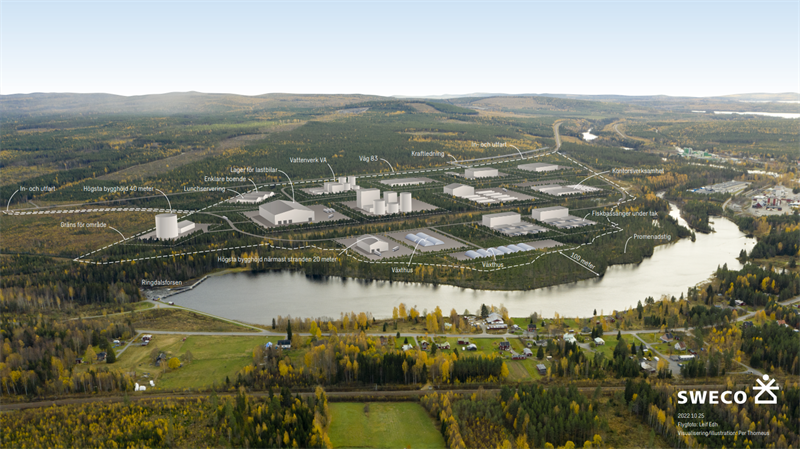
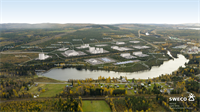
Big Akwa and Ånge Municipality have signed a land allocation agreement, marking another step in the establishment of a land-based fish farm in the Alby industrial area.
The agreement covers a large land area within the local development plan and represents a first step toward realizing Big Akwa’s vision of sustainable food production through industrial symbiosis. The project is based on utilizing surplus resources such as heat and oxygen from nearby industries, making production resource-efficient and environmentally sustainable.
With the land allocation in place, Big Akwa can now move forward with planning, financing, and permitting processes ahead of a future acquisition.
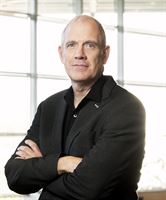
“It is inspiring to put our technical solutions into practice and build a model for the fish farming of the future,” says Daniel Brännström, CTO of Big Akwa.
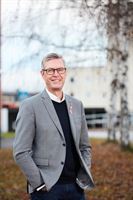
“Big Akwa’s establishment strengthens the image of Ånge as a place where food production and the energy transition can grow side by side,” says Erik Lövgren, Chairman of the Municipal Executive Board in Ånge.
Earlier this year, Big Akwa was granted a long-term environmental permit for the operation. Together with today’s agreement, this creates a solid foundation for building a new food industry in harmony with the energy transition in northern Sweden. Once up and running, the facility will produce up to 6,000 tons of rainbow trout annually, destined for both Swedish and international markets. The focus is on traceability, climate benefits, and strengthening food security.
The facility will be located in the Alby industrial area in Ånge Municipality and will use land-based RAS (Recirculating Aquaculture System) technology to produce up to 6,000 tons of rainbow trout annually. The project is based on a model of industrial symbiosis, by utilizing excess heat and oxygen from the hydrogen production.
In addition to energy efficiency, the facility will contribute to circular resource flows by recovering nutrients for the production of biochar, fertilizers, and microbial proteins. Operations are planned to begin in 2026, with full capacity expected by 2029. The project is being developed in partnership with RES, Ånge Municipality, and a network of technical and environmental experts.