Why BILSTEIN Makes Development and Testing Processes Visible
Essen/Ennepetal, 10 March 2026 – “OE quality” is a well-established term in the automotive aftermarket. At the same time, what exactly lies behind it often remains unclear. What development work goes into a product? Which testing procedures are used? And how can quality actually be recognised in everyday use?
BILSTEIN addresses these questions – and goes beyond pure product communication.
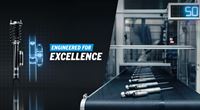
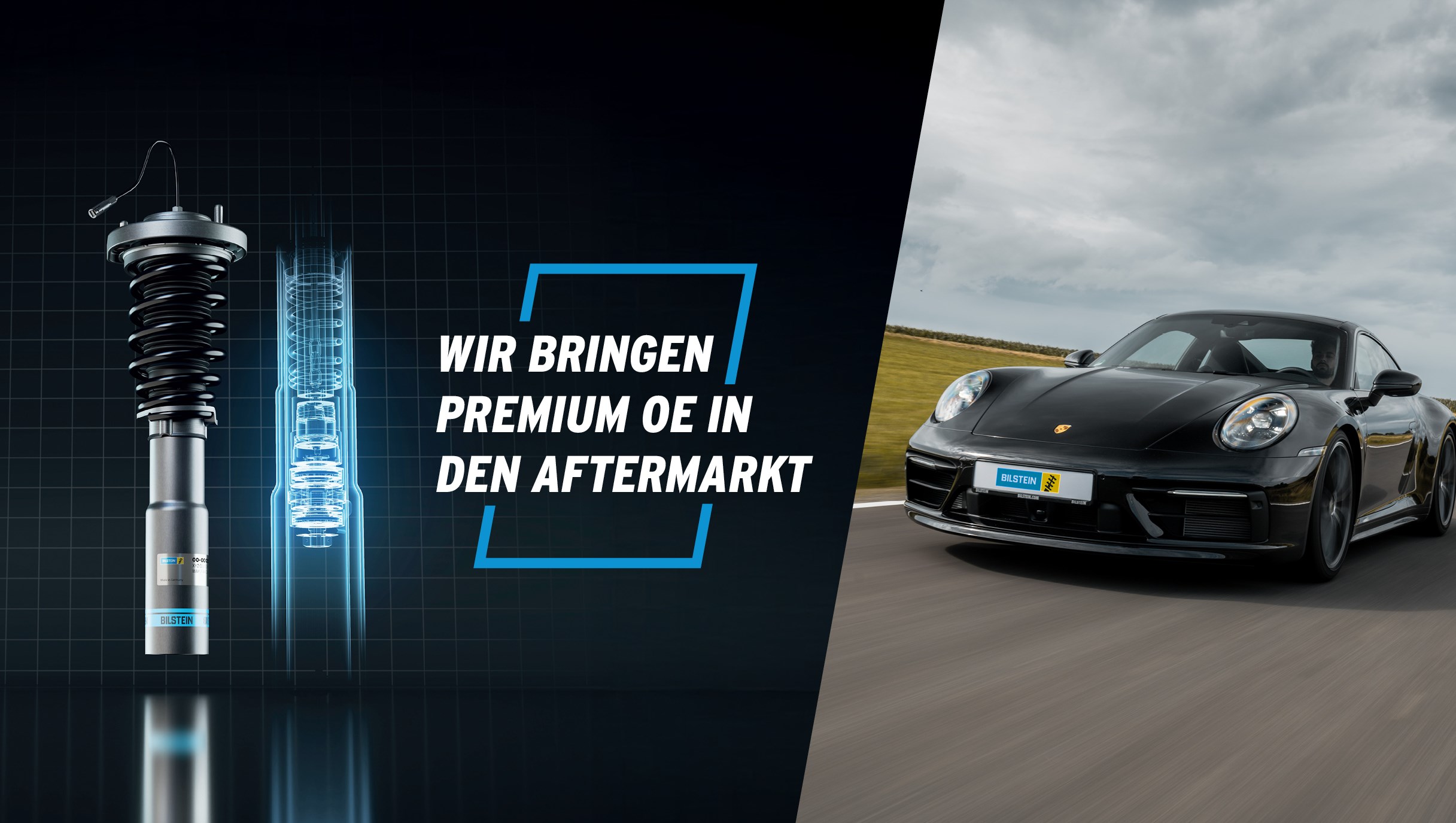
With the further development of its “Engineered for Excellence” campaign, the company is placing a stronger focus on the technical foundations of its products and making visible how quality is created.
OE Quality as an Ambition – Yet Often Difficult to Grasp
In the aftermarket, claims of quality are frequently taken for granted. BILSTEIN takes a different approach: quality is not merely asserted but explained through the processes that create it.
At the centre are the processes behind the product:
- vehicle-specific damper design
- tuning within the overall suspension system
- validation through testing and verification procedures
- confirmation of performance and long-term durability
The principle is simple: those who claim quality must be able to demonstrate how it is achieved.
Development in the Context of Modern Vehicle Systems
Today, suspension components are part of complex vehicle systems. Ride comfort, safety and driving dynamics result from the interaction of numerous components – and the demands placed on development and tuning are correspondingly high.
BILSTEIN follows the standards of original equipment (OE) development:
- tuning to specific vehicle characteristics
- integration into modern suspension and driver assistance systems
- balancing comfort, dynamics and safety
The objective is always a technically optimised solution for the specific vehicle context. This development philosophy continues in the aftermarket – or is transferred directly from series production development, as BILSTEIN is the original equipment supplier for many applications.
Testing Procedures as a Benchmark for Quality
Testing and validation procedures form a central part of the development process – yet in the aftermarket they are rarely presented transparently. BILSTEIN deliberately makes these processes visible.
These include, among others:
- dynamometer testing under defined load profiles
- vehicle road testing
- endurance and durability testing
- material and component analysis
- validation and comparative testing
Together, they ensure that a product fulfils the requirements defined during development not only in theory, but also in real-world operation.
Further insights are available at:
https://workshop.bilstein.com/en/test-procedures/
Technical Understanding as Added Value for Workshops
For workshops and parts distributors, quality is often difficult to assess directly in everyday practice. Differences frequently only become apparent during operation.
A better understanding of
- development effort
- testing methodologies
- design and engineering differences
helps professionals make well-founded product choices and justify them to customers – particularly when dealing with safety-relevant components such as shock absorbers.
From Product Information to a Knowledge Platform
At the same time, BILSTEIN is bringing these topics together on a central platform. It serves as a knowledge hub for workshops, distributors and media, going beyond traditional product information.
The platform includes:
- technical background articles
- insights into development and testing processes
- practice-oriented content
- training and information materials
https://workshop.bilstein.com/en/engineered-for-excellence/
The focus therefore shifts deliberately towards a deeper understanding of technical relationships.
Perspective: Transparency as a Differentiating Factor
The aftermarket is characterised by a wide range of products, often with quality levels that are difficult to compare. For workshops and distributors, it is becoming increasingly challenging to assess these differences.
Transparency regarding development and testing processes can help make quality more understandable and more objective. BILSTEIN deliberately uses this approach as a differentiating factor – focusing on technical depth rather than pure messaging.
Conclusion
With the further development of “Engineered for Excellence”, BILSTEIN shifts the emphasis away from abstract quality claims towards making the origins of quality visible.
The approach is deliberate: anyone claiming OE standards must be able to explain the processes behind them.
This creates a clearer picture of the effort involved in developing suspension components – and highlights how quality can differ within the aftermarket.
About BILSTEIN
BILSTEIN is part of thyssenkrupp AG and has its headquarters in Ennepetal, Germany. The company develops and produces suspensions, shock absorbers and springs for cars and vans and is one of the world's largest suppliers with an annual production of around 13 million shock absorbers. BILSTEIN is a technology leader and a global player with more than 4,100 employees at nine locations in six countries – including the UK, the USA, Romania, China and Mexico.
Photos: copyright BILSTEIN 2026. Reproduction free of charge if source is named.