Two new gas carriers to stay ahead of environmental standards with Wärtsilä 25 Ammonia engine
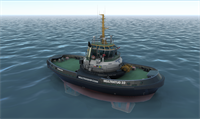
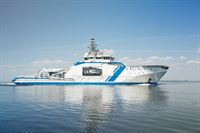
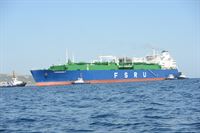
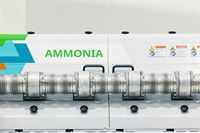 Wärtsilä Corporation, Press release, 16 July 2026 at 12:00 EESTTechnology group Wärtsilä will supply its Wärtsilä 25 Ammonia auxiliary engine, together with a NO\x\ reducer (SCR) and gas valve unit (GVU), for two new 51,350 m[3] capacity midsize LPG/liquid ammonia carrier vessels. The engine will support reduced emissions and improved operational efficiency, while helping the vessels meet evolving sustainability requirements. The ships are being built at Nantong CIMC Sinopacific Offshore & Engineering (SOE) shipyard in Shanghai and will be owned by a joint
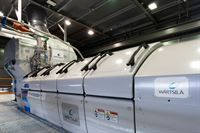
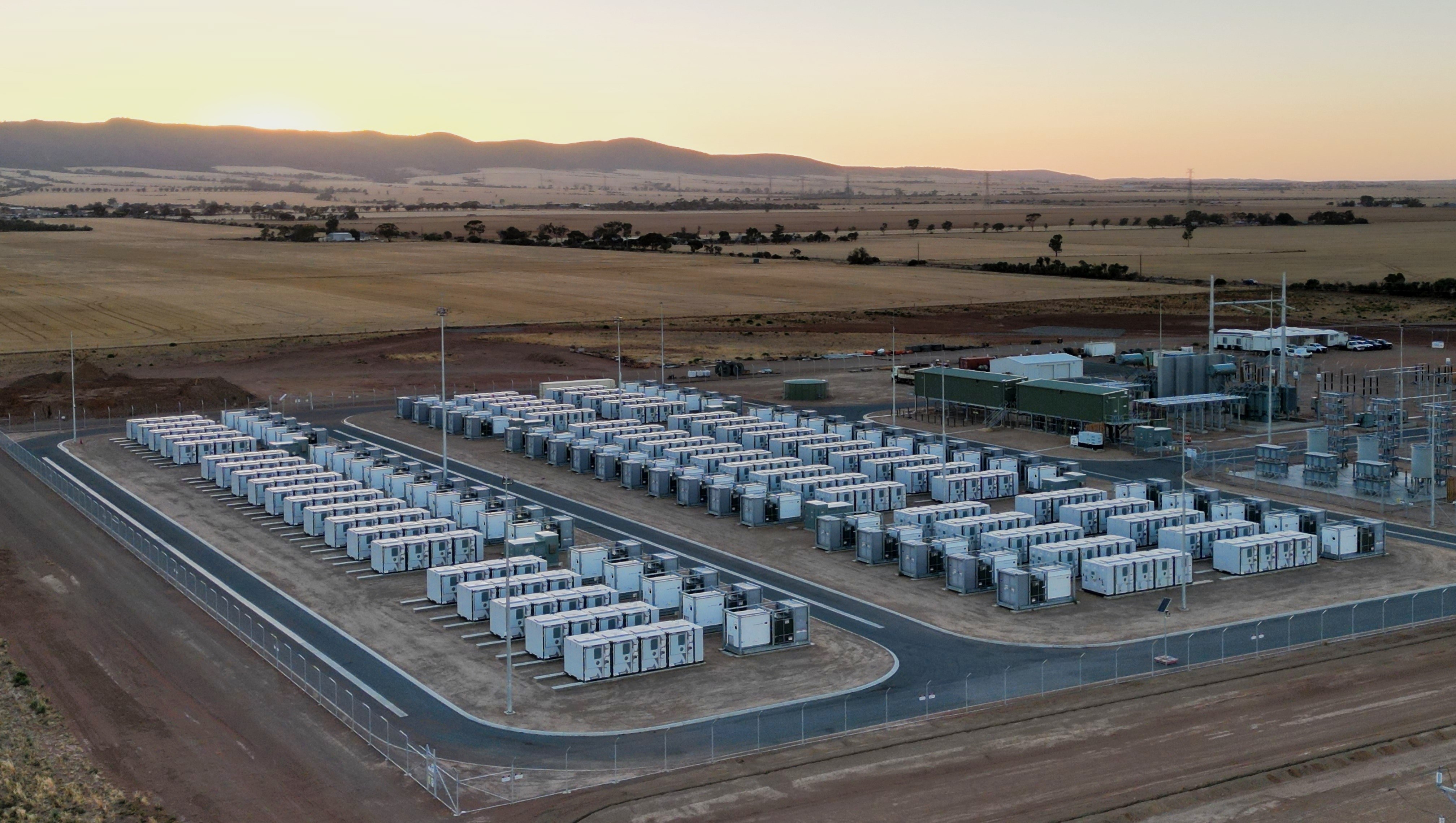 Wärtsilä Corporation, Press release, 30 June 2026 at 08:00 EESTTechnology group Wärtsilä announces that the 150-megawatt (MW) / 300-megawatt-hour (MWh) battery energy storage system provided to owner and operator Revera Energy (Revera) in Bungama, South Australia, has now begun commercial operations. It is Wärtsilä’s fourth energy storage project in Australia to become operational.
The Bungama project strengthens South Australia’s ability to manage record levels of renewable energy while supporting grid reliability across the National Electricity Market (NEM). It also marks a significant
Wärtsilä Corporation, Press release, 30 June 2026 at 08:00 EESTTechnology group Wärtsilä announces that the 150-megawatt (MW) / 300-megawatt-hour (MWh) battery energy storage system provided to owner and operator Revera Energy (Revera) in Bungama, South Australia, has now begun commercial operations. It is Wärtsilä’s fourth energy storage project in Australia to become operational.
The Bungama project strengthens South Australia’s ability to manage record levels of renewable energy while supporting grid reliability across the National Electricity Market (NEM). It also marks a significant
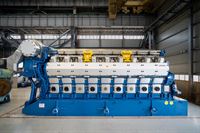
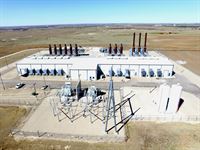
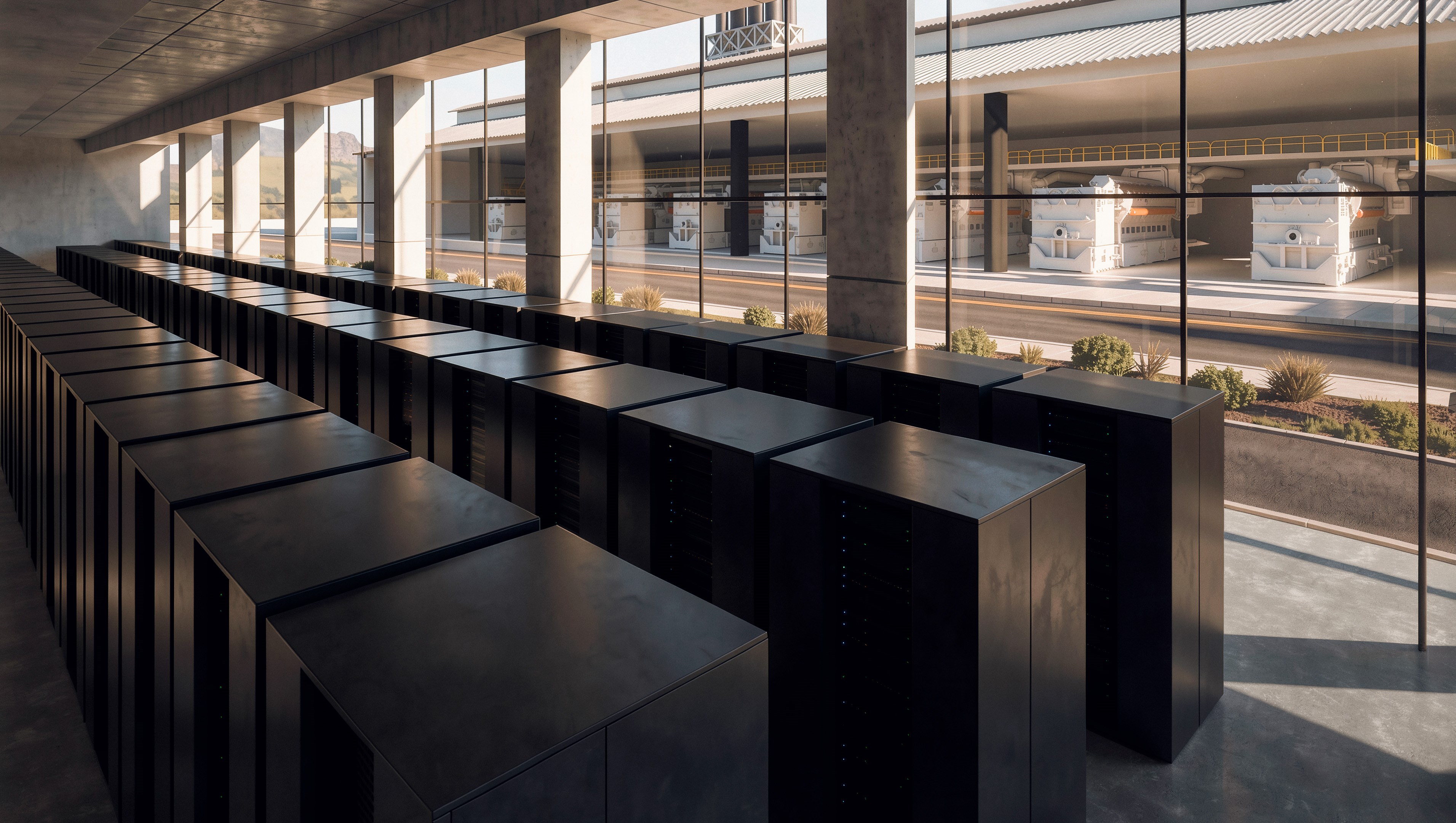 Wärtsilä Corporation, Press release, 29 June 2026 at 15.00 EESTTechnology group Wärtsilä will supply engines for a power plant to ensure reliable supply of energy for large-scale data center development in the U.S. The €292 million order, expected to be booked by Wärtsilä in Q3 2026, was placed by Denver-based Liberty Energy, a leading U.S. energy services company. For developers, this means faster time to power, reduced exposure to grid delays, and the ability to scale capacity in line with rapidly evolving AI workloads. The selection of Wärtsilä highlights the company’s strength in
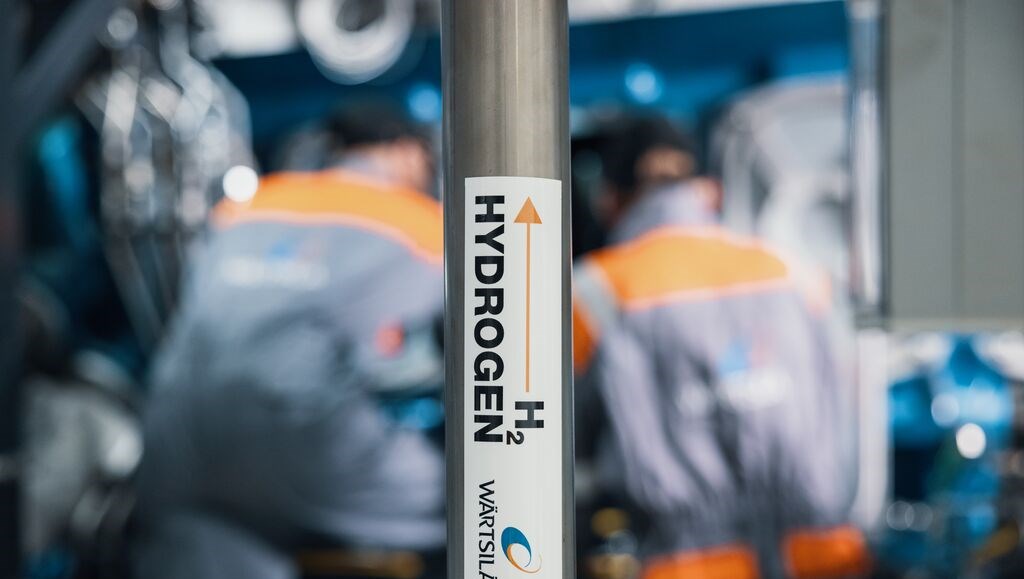 Wärtsilä Corporation, Press release, 25 June 2026 at 8:00 EEST· A new consortium called MatH2 has been launched to unlock material technology barriers to hydrogen adoption. · Widespread adoption of hydrogen is currently hampered by storage, transport and infrastructure challenges, due to its low density and effects on metals. · The MatH2 consortium aims to address the industry’s urgent need to validate safe, hydrogen compatible materials, by creating a new portfolio of affordable materials and components that withstand hydrogen and other chemicals key to the hydrogen economy, and