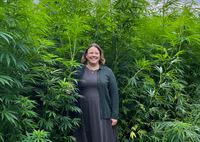

A New Take on The Iconic Swedish Semla Paves the Way for Hemp Cultivation
A classic Swedish semla pastry is now being launched with Swedish-grown hemp seed instead of imported almonds. The initiative is led by Axfoundation to explore hemp’s potential as an agricultural crop – provided there is market demand. During the short semla season, Swedes consume an estimated 40–50 million semlor, turning the pastry into a national talking point each year. Urban Deli in Stockholm is the first retailer to introduce the hemp seed semla.
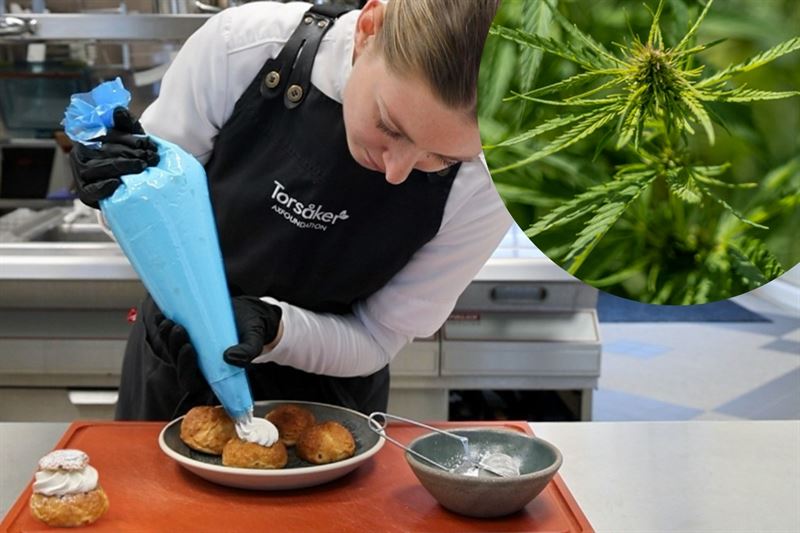
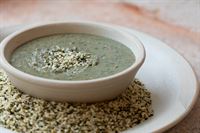
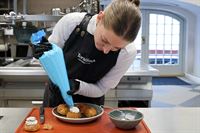
Each year, Swedes consume an estimated 40–50 million semlor, a traditional Swedish pastry made from a cardamom bun filled with cream and almond paste. In the hemp seed semla, imported almonds have been replaced with Swedish hemp seed. Photo: Axfoundation
“Hemp has many advantages, yet it is still cultivated on very small areas in Sweden. One key reason is that the market for Swedish hemp seed as a food ingredient has been limited. The hemp seed semla is a concrete example of how demand can be created through real consumer products,” says Maria Lundesjö, Agronomist and Project Manager within Future Food at Axfoundation.
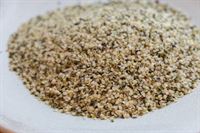
The traditional semla - usually a cardamom-flavored wheat bun filled with almond paste, and whipped cream - is a Swedish pastry eaten during the weeks leading up to Lent. Swedes consume approximately 40–50 million semlor during the short semla season each year. The pastry is widely discussed and compared during this period, as bakeries, cafés and food media across Sweden develop and evaluate their own versions. In the new hemp seed semla, almonds have been replaced with hemp seed supplied by Svensk Hampaindustri, a Swedish hemp processor.
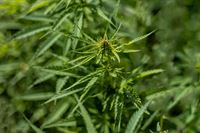
Hemp can sequester between 9 and 15 metric tons of CO₂ per hectare per year, compared to approximately 1 ton for cereals. The crop has a deep taproot that supports nutrient uptake and increases resilience to drought and water stress. Hemp also performs well in crop rotations and can be grown without the use of pesticides. At the same time, hemp seed is a nutrient-dense food ingredient, rich in high-quality protein and unsaturated fatty acids. Despite these properties, industrial hemp remains a niche crop in Sweden. According to the Swedish Board of Agriculture, 1,740 hectares were cultivated in 2025, although several projects are now exploring its wider potential.
At Torsåker Farm, Axfoundation’s development center for future food and materials, hemp has been test-cultivated for several years to evaluate how the crop performs under Swedish growing conditions. In parallel, the harvested hemp seeds have been evaluated in the kitchen together with chefs and sensory experts, to develop food products where the ingredient works in practice.
“To demonstrate the crop’s potential, we wanted to develop a product that fits into existing consumer habits. The mild, nutty flavor of hemp seed is close to that of almonds, making it suitable for a wide range of foods – from granola to traditional baked goods like the semla,” says Anna Henning Moberg, Head of Operations at Torsåker Farm.
The Hemp Seed Semla will be launched on January 27 at Urban Deli locations on Sveavägen, Nytorget and in Hagastaden in Stockholm, Sweden.
“At Urban Deli, we like to test new innovations and explore how they can work in familiar foods. This idea from Axfoundation – using hemp seed paste in the classic semla – is a good example of how small changes can point to what future food might look like, without compromising on quality or the consumer experience,” says Fanny Sturén, Project Manager for Sustainable Development at Urban Deli.
Facts: Why Hemp in Agriculture?
- Limited cultivation: Hemp cultivation is increasing but remains small-scale in Sweden. In 2025, 1,740 hectares of hemp were grown, compared with 472,600 hectares of winter wheat. (Swedish Board of Agriculture)
- Carbon sequestration: One hectare of hemp can sequester 9–15 metric tons of CO₂ per year, compared with around 1 ton for cereals. (European Commission)
- Deep taproot: Hemp’s deep root system supports efficient nutrient uptake and increases tolerance to drought and water stress. (Plant and Soil)
- Breaks disease cycles: Hemp works well in crop rotations and can interrupt disease cycles in cereal-dominated systems. (The Potential of Industrial Hemp)
- No need for pesticides: Hemp has low susceptibility to pests and typically does not require insecticides, herbicides or fungicides. Fertilization is required for optimal yields. (European Commission)
- Benefits biodiversity: Hemp produces large amounts of pollen, benefiting pollinators during periods when other crops produce little pollen. (Environmental Entomology)
- Nutrient-dense seeds: Shelled hemp seeds are a nutrient-dense food ingredient with a mild, nutty flavor. They are a source of dietary fiber and easily digestible protein, with a fat composition dominated by unsaturated fatty acids. Hemp seeds are also rich in iron, zinc, potassium, magnesium and B vitamins, including thiamine (vitamin B1). Hemp seed is gluten-free and contains no other allergens. (Frontiers in Nutrition; Critical Reviews in Food Science and Nutrition)
Media Contact:
- Linda Andersson, Media Relations, Axfoundation,
linda.andersson@axfoundation.se, +46 (0)730 - 87 15 70
- Maria Lundesjö, Agronomist and Project Manager within Future Food, Axfoundation,
maria.lundesjo@axfoundation.se, +46 (0)730 - 92 96 74
- Anna Henning Moberg, Head of Operations, Torsåker Farm, Axfoundation,
anna.henning.moberg@axfoundation.se, +46 (0)73 - 990 77 79
- Fanny Sturén, Project Manager Sustainable Development Urban Deli,
fanny.sturen@urbandeli.se, +46 (0)72-144 51 03
Related information:
- Read more about Axfoundation’s work with hemp
- About the hemp seed semla at Urban Deli