AI and Drones are Saving the World's Favorite Fruit from Extinction
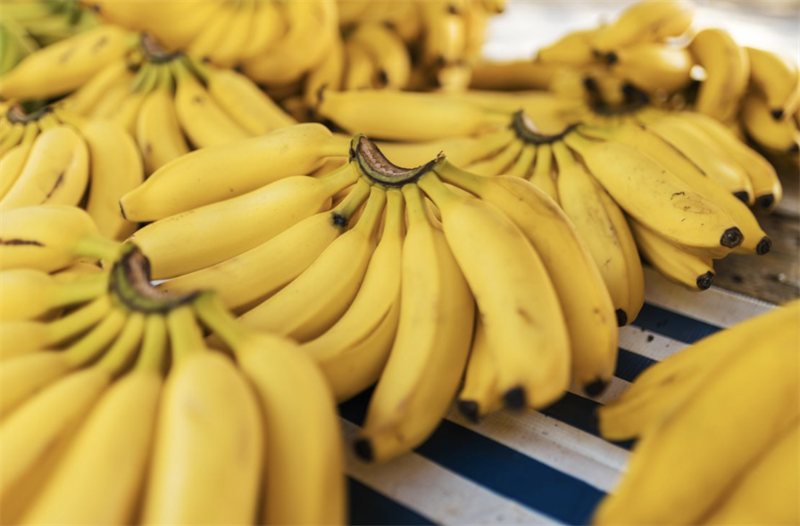
Agricultural drones and AI are being used to actively combat Panama disease, or Fusarium wilt, the devastating strain that is targeting the Cavendish banana, which makes up around 99% of the world’s exports.
Bananas are one of the Biggest Foods in the World
Unlike many fruits, bananas are naturally wrapped in protective packaging, require zero preparation, and are available year-round.
During the 20th century, the United Fruit Company built huge shipping networks that helped to market bananas across Europe and North America. Today, they are one of the most recognized foods in the world. They have also become cultural icons.
Maurizio Cattelan’s work, Comedian, features a banana duct-taped to a wall. The Velvet Underground & Nico is one of the most famous artworks in the world, and also features a banana.
Social media trends also featured bananas coated with red wax, with some posts becoming viral sensations. In iGaming, bananas are also a theme. The Even Bigger Bananas 2 game features bananas on the front graphic, as well as within the game. The game also references King Kong, a mythical ape. As bananas make up such a big part of the animal’s diet, it’s the perfect homage to the cultural icon of King Kong.
Ultimately, bananas are a huge part of our culture. For this reason, it's important to ensure that they are protected. That’s why it’s so interesting to see that agricultural drones are actively helping to combat Panama disease, or the devastating TR4 strain. The Bayer website explains more about that.
There is no cure for this disease, and early detection is the only way to save full crops. Drones assist banana farmers and those who work in biosecurity by implementing several mechanisms.
The Use of Drones and AI in Agriculture
Every year, 135 million tonnes of bananas are grown across 135 countries. AI-powered crop analysis and drones are being used to protect the crops from being threatened. Modern banana farmers are using AI as a way to detect problems before they become visible.
Farmers can photograph banana leaves using AI systems that spot nutrient deficiencies as well as colour changes and water stress. AI models are continuing to improve, and drones are also helping to replace hours of manual work.
Autonomous drones are also being used to treat hundreds of plants by applying soil treatment as well as pesticides and fungicides. You can find out more about that on the Invade Agro Global website.
GPS technology is being used to guide flight paths, which is helping to reduce labor costs and environmental impact. Some agricultural drones are able to carry payloads of 70kg, allowing plantations to be dealt with quickly and efficiently.
Interestingly, multispectral cameras can create health maps of entire plantations too. As demand for bananas grows and as climate pressure increases, it may be that the future of bananas comes down to software engineers.
Interestingly, genetic scientists are also trying to find ways to preserve the current strain of banana, making it more resilient against threats like this as well as empowering traditional farmers in finding new ways to protect their crop before it’s put in the soil.