
Gasum opens the first gas filling station in Umeå, Sweden
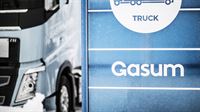
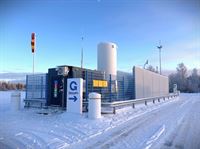
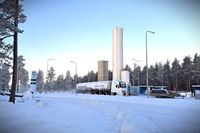
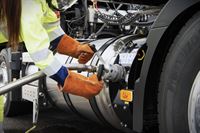
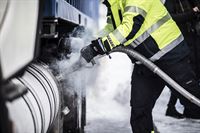
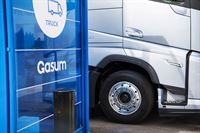
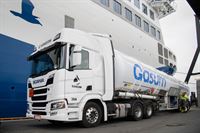
 The Nordic gas filling stations network is expanding as Gasum opens its 9[th] gas filling station in Sweden. The station is the first one in Umeå and serves both heavy-duty vehicles (HDVs) and passenger cars. It is also an important part of Gasum’s plan to build a network of 50 gas filling stations for HDVs by the early 2020s in the Nordics. The growing network opens further opportunities to answer to the increased demand for low emission road transport.The new gas filling station is in an area with heavy traffic where fuel consumption is high and the need for clean fuel solutions is rising
 From 1st of January 2020 when the Finnish pipeline gas market opens, Finland will become part of the joint Baltic-Finnish gas market area. As the leading energy company in the Finnish gas market, Gasum will take an active role in the new market and will act as a Market Maker on the Baltic – Finnish Gas Exchange, GET Baltic. Gas Exchange is a marketplace for trading physical natural gas in a joint market area."We want to take responsibility for supporting the development of a functioning regional gas market. Increased trading activity at GET Baltic will open new opportunities for all market
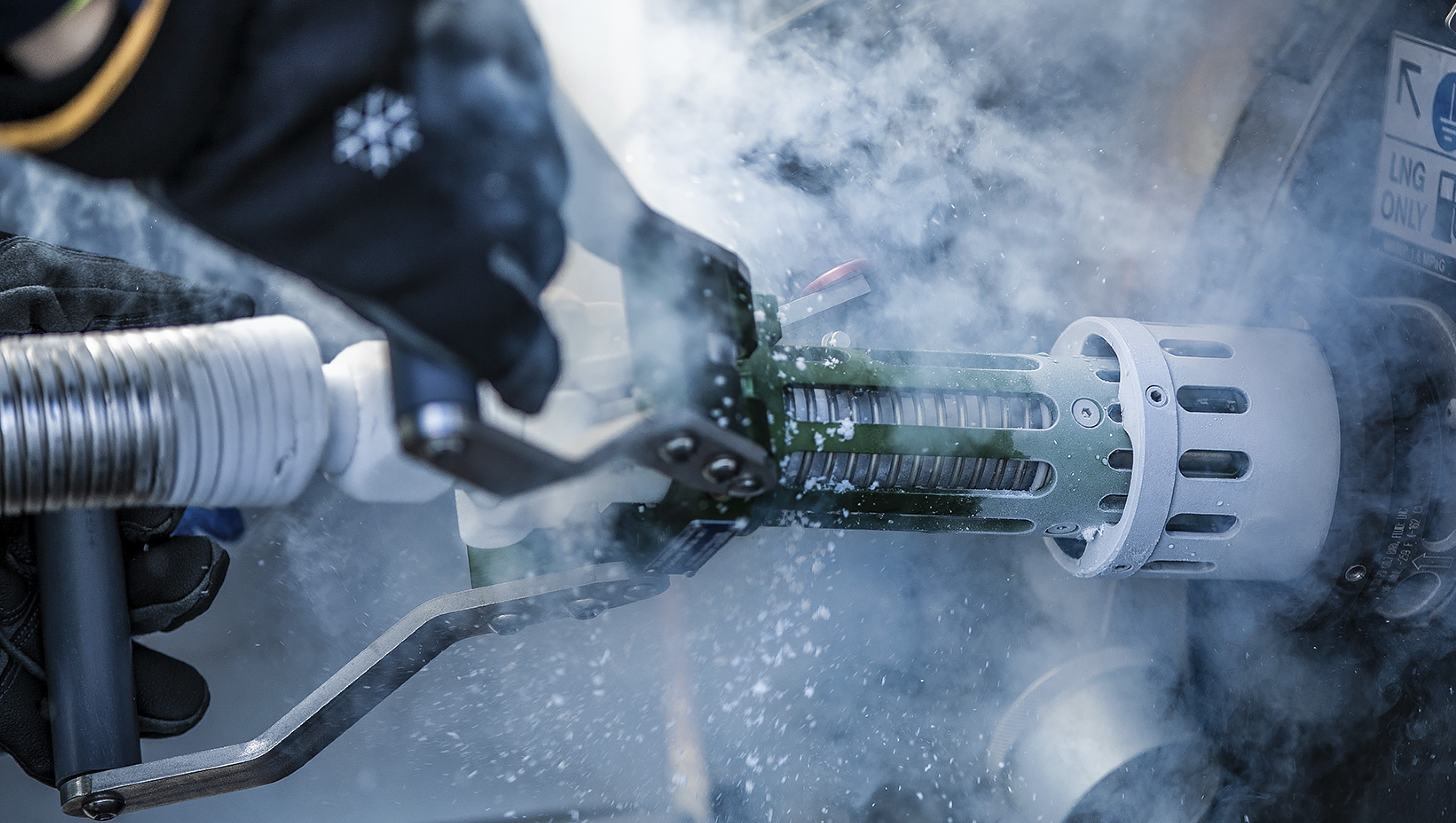 The Nordic gas filling station network continues its rapid growth as energy company Gasum opens a new station in Mariestad, Sweden. This is Gasum’s seventh liquefied gas filling station for heavy-duty vehicles in Sweden, and the first Gasum filling station in Västra Götaland. This filling stations is a part of Gasum’s expanding network planning to have a network of 50 filling stations for heavy-duty vehicles by the early 2020s in the Nordics as the demand for cleaner fuel solutions continues to grow.The new gas filling station in Mariestad, Sweden will go into service on December 13. The
 Key financial indicators January 1 to September 30, 2019• Group revenue increased by 1.4% year on year and totaled, €838.8 million (January-September/2018: €827.4 million)• Group operating profit totaled €86.3 million, down 7.2% year on year (€93.0 million)• Balance sheet total increased through new investments to €1,553.7 million (December 31,2018: €1,526.6 million)• The Group’s financial position remained strong in the reporting period, with the equity ratio being 44.6% (December 31, 2018: 43.7%).
CEO Johanna Lamminen comments on Q3 of 2019:”Our financial performance was in
Key financial indicators January 1 to September 30, 2019• Group revenue increased by 1.4% year on year and totaled, €838.8 million (January-September/2018: €827.4 million)• Group operating profit totaled €86.3 million, down 7.2% year on year (€93.0 million)• Balance sheet total increased through new investments to €1,553.7 million (December 31,2018: €1,526.6 million)• The Group’s financial position remained strong in the reporting period, with the equity ratio being 44.6% (December 31, 2018: 43.7%).
CEO Johanna Lamminen comments on Q3 of 2019:”Our financial performance was in
 Growing numbers of transport companies are renewing their fleets to make them more environmentally friendly as Gasum expands its filling station network. NCS Finland Oy, a transport and logistics company, and its subcontractor Pinecape Oy brought into use a liquefied natural gas (LNG) fueled Volvo tractor unit in July. The use of LNG in transport can reduce greenhouse gas emissions over the lifecycle of the fuel by more than 20% compared with diesel.The EU’s ambitious emissions targets to curb climate change also create a challenge for logistics companies to reduce transport emissions. The
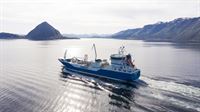
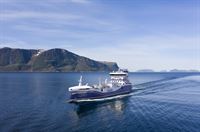
 Gasum, the Nordic gas sector expert and the leading supplier of small scale liquefied natural gas (LNG), announced that Jacob Granqvist has been appointed to the newly-created position of Sales Director of Gasum’s marine LNG business. As demand for LNG from the marine market continues to rise, Granqvist and his team will play an instrumental role in driving the company’s plans to expand its marine LNG services internationally, providing bunkering of LNG as a marine fuel to vessels for their own consumption.Performance in the Nordic market fuels expansion
Why now? Gasum is building upon
Gasum, the Nordic gas sector expert and the leading supplier of small scale liquefied natural gas (LNG), announced that Jacob Granqvist has been appointed to the newly-created position of Sales Director of Gasum’s marine LNG business. As demand for LNG from the marine market continues to rise, Granqvist and his team will play an instrumental role in driving the company’s plans to expand its marine LNG services internationally, providing bunkering of LNG as a marine fuel to vessels for their own consumption.Performance in the Nordic market fuels expansion
Why now? Gasum is building upon
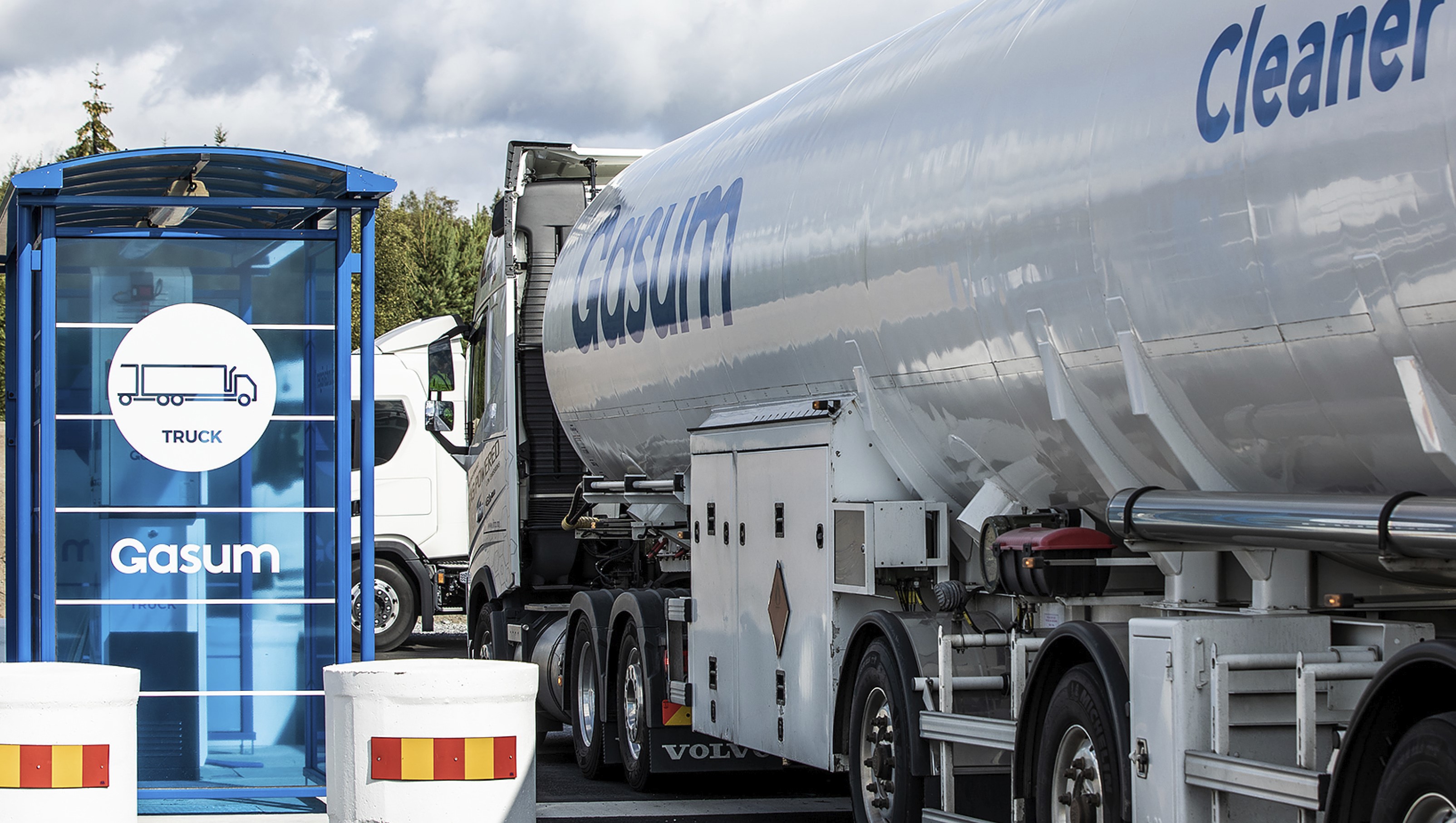 Heavy road transport across the EU is increasing. At the same time, emissions need to be cut fast. The energy company Gasum is investing strongly into the expansion and development of the Nordic gas infrastructure and offering cleaner fuel solutions for heavy-duty vehicles (HDVs). Today Gasum inaugurated its fourth gas filling station in Sweden. The new station is located in Torsvik, just south of Jönköping, and it offers liquefied natural gas (LNG) and liquefied biogas (LBG) for HDVs.In early 2019, the European Union presented new emission reduction standards for HDVs. According to the new
 The growth of the Nordic gas filling station network continues today, as the energy company Gasum opens its third station in Sweden. The new station offers liquefied natural gas (LNG) and liquefied biogas (LBG) for heavy-duty vehicles in Örebro, where Gasum also has a biogas plant. In 2019, the goal is to expand Gasum’s filling station network for heavy duty vehicles to 20 stations, with 12 of the stations located in Sweden, enabling the further development of the Nordic gas infrastructure, while accelerating the transition to cleaner energy.Heavy road transport is increasing and today
 Expansion of gas infrastructure – Increasingly wide-spread use of gas-fueled vehicles promotes significant traffic emission reductionsKey financial indicators January 1 to June 30, 2019:• Group revenue increased by 6% and totaled €632.5 million (H1/2018: €597.5 million)• Operating profit totaled €76.3 million, flat year on year (€76.3 million)• Balance sheet total increased to €1,574.4 million (December 31, 2018: €1,526.6 million) following the introduction of the new IFRS 16 standard• The Group’s financial position remained strong in the reporting period, with the equity ratio
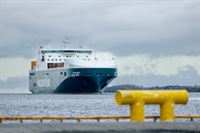
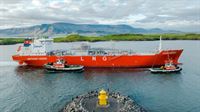
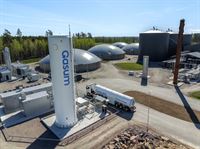
 The biggest liquefied natural gas (LNG) terminal in the Nordics is opened on June 11 in Röyttä harbour, Tornio. The new terminal answers to the growing demand for low emission LNG and strengthens LNG’s security of supply in the Northern Nordics. The new terminal significantly enhances the area’s competitiveness by ensuring the availability of energy that is affordable, has low emissions and can be used by the local industry, as well as maritime and heavy-duty traffic.The deployment of Tornio’s new liquefied natural gas (LNG) terminal will ensure shipments to Northern Finland and Sweden. The
 The energy sector, which has traditionally been clear, cyclical, predictable and slow-moving, has suddenly become both a multi-dimensional and multi-problematic market. Drastic policy changes, for example, with regards to the acceptability and future of different energy forms, are increasing globally. Currently, there are no indications that the number of policy changes, or their effectiveness, are likely to decline. It is also believed that the trend towards projects which are considered the most beneficial towards people and nature, will be utilised in the long term, because they save