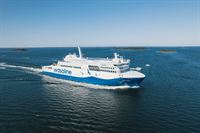

Gasum’s bio-LNG sales in maritime saw substantial growth in 2025
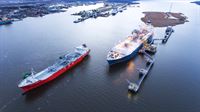
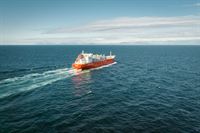
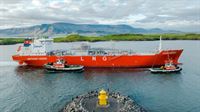
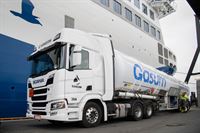
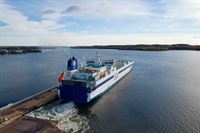
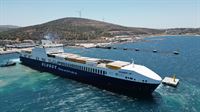
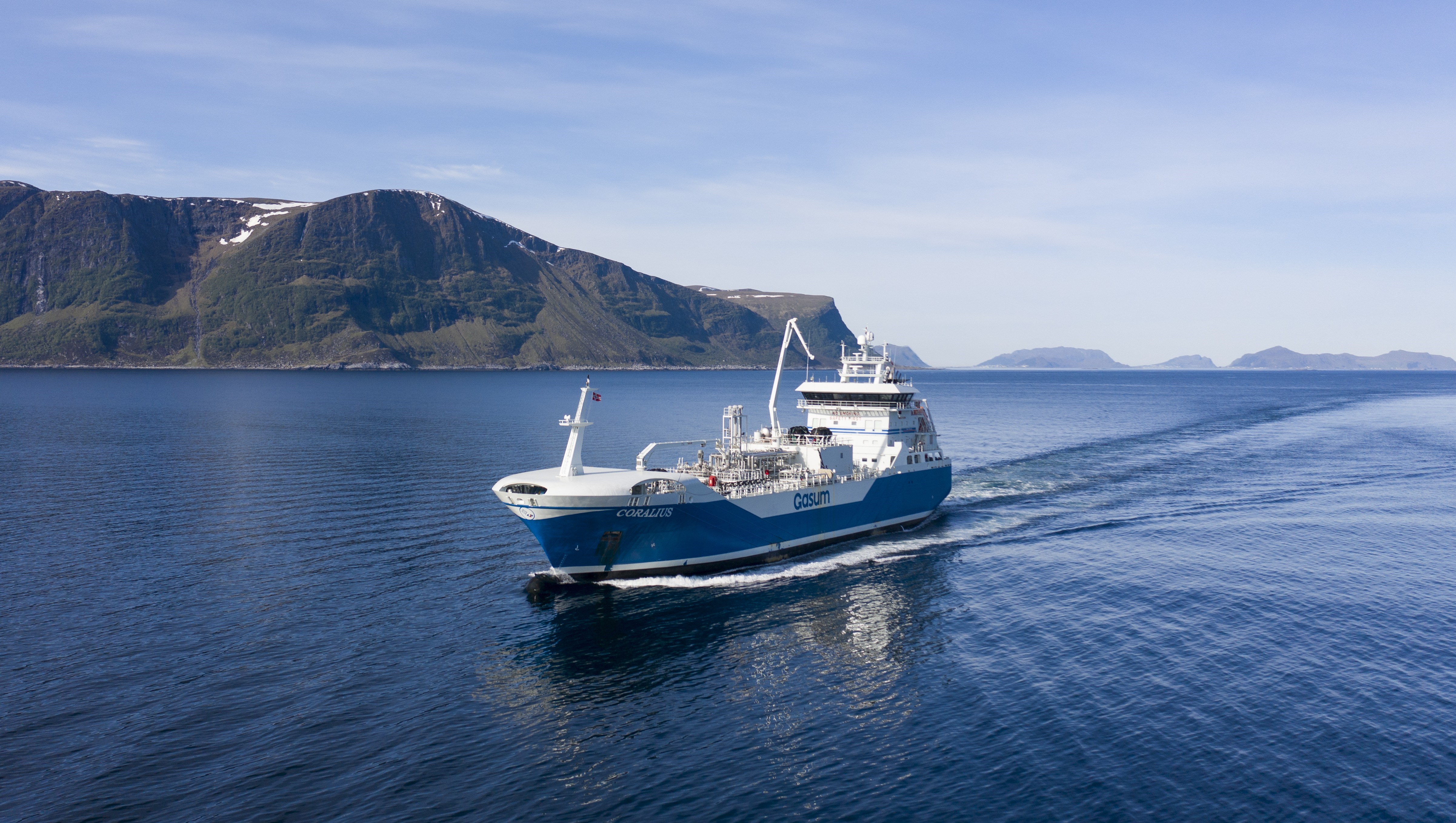 A notable driver behind the development has been the FuelEU Maritime regulation that came into force last year.Gasum has seen a significant increase in maritime liquefied biomethane (bio-LNG) sales over the last year. The share of biomethane out of all gas volumes sold to Gasum’s maritime customers increased from 0.8% in 2024 to 12.3% in 2025.
The development marks a notable step forward and provides a clear indication that the maritime sector is advancing its green transition.
“This is a very positive development that clearly shows the viability of the methane pathway in
A notable driver behind the development has been the FuelEU Maritime regulation that came into force last year.Gasum has seen a significant increase in maritime liquefied biomethane (bio-LNG) sales over the last year. The share of biomethane out of all gas volumes sold to Gasum’s maritime customers increased from 0.8% in 2024 to 12.3% in 2025.
The development marks a notable step forward and provides a clear indication that the maritime sector is advancing its green transition.
“This is a very positive development that clearly shows the viability of the methane pathway in
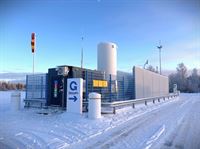
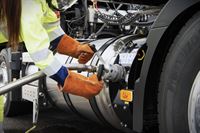
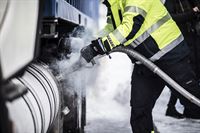
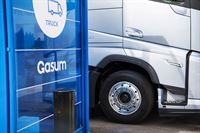
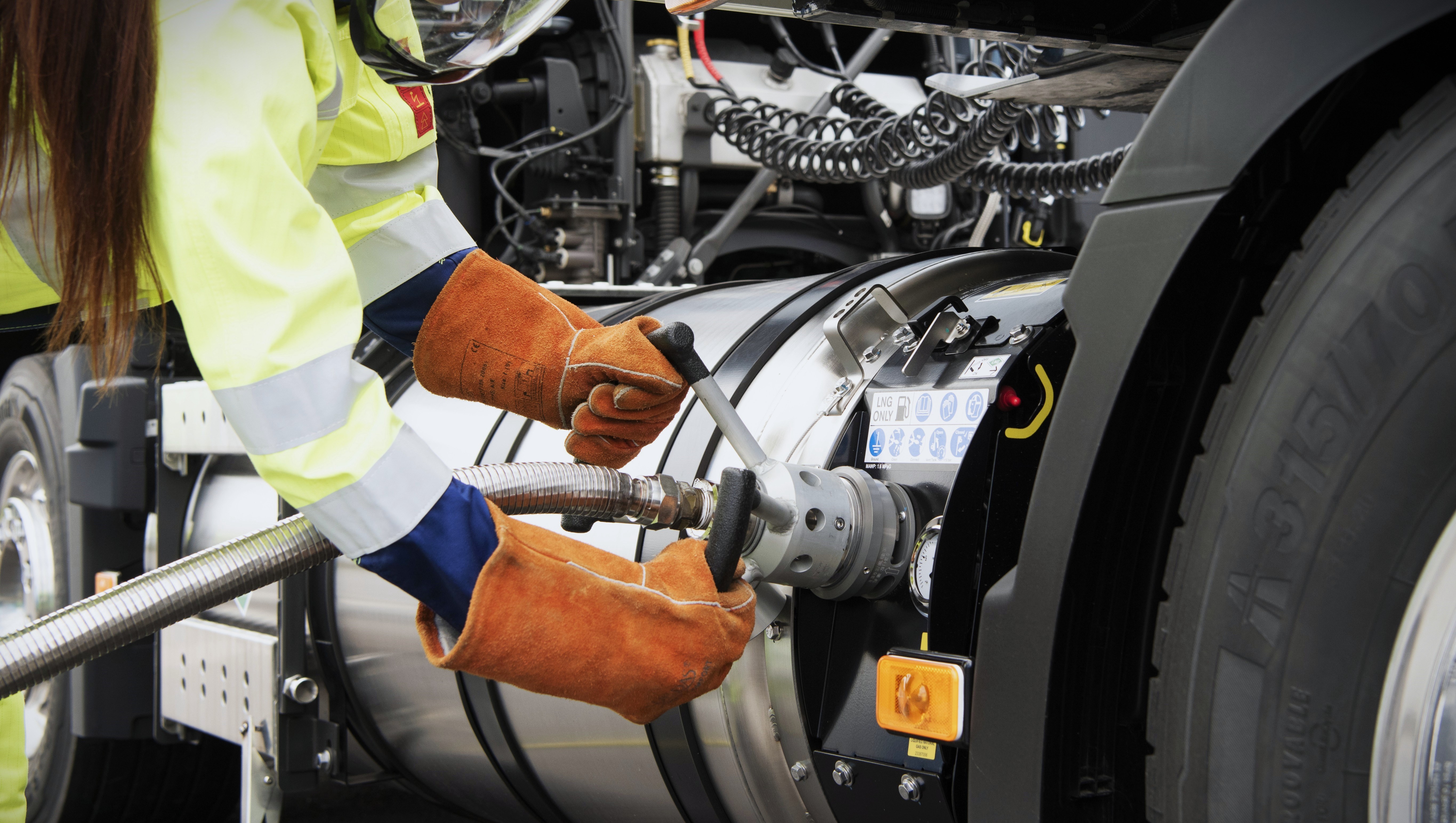 Gasum, in cooperation with REMA, today opened a new biogas filling station for liquefied biogas (LBG) at REMA Distribution in Vinterbro. The station is now available to all operators with liquid biogas driven trucks.The biogas station is located close to REMA Distribution's warehouse in Vinterbro and is centrally located by the E6 and E18 roads south of Oslo. The station will meet the demand for biogas in the area, the location south of Oslo and proximity to the Oslofjord tunnel is desired by the market.
Gasum has cooperated with REMA, which has made the land for the station available.
Gasum, in cooperation with REMA, today opened a new biogas filling station for liquefied biogas (LBG) at REMA Distribution in Vinterbro. The station is now available to all operators with liquid biogas driven trucks.The biogas station is located close to REMA Distribution's warehouse in Vinterbro and is centrally located by the E6 and E18 roads south of Oslo. The station will meet the demand for biogas in the area, the location south of Oslo and proximity to the Oslofjord tunnel is desired by the market.
Gasum has cooperated with REMA, which has made the land for the station available.
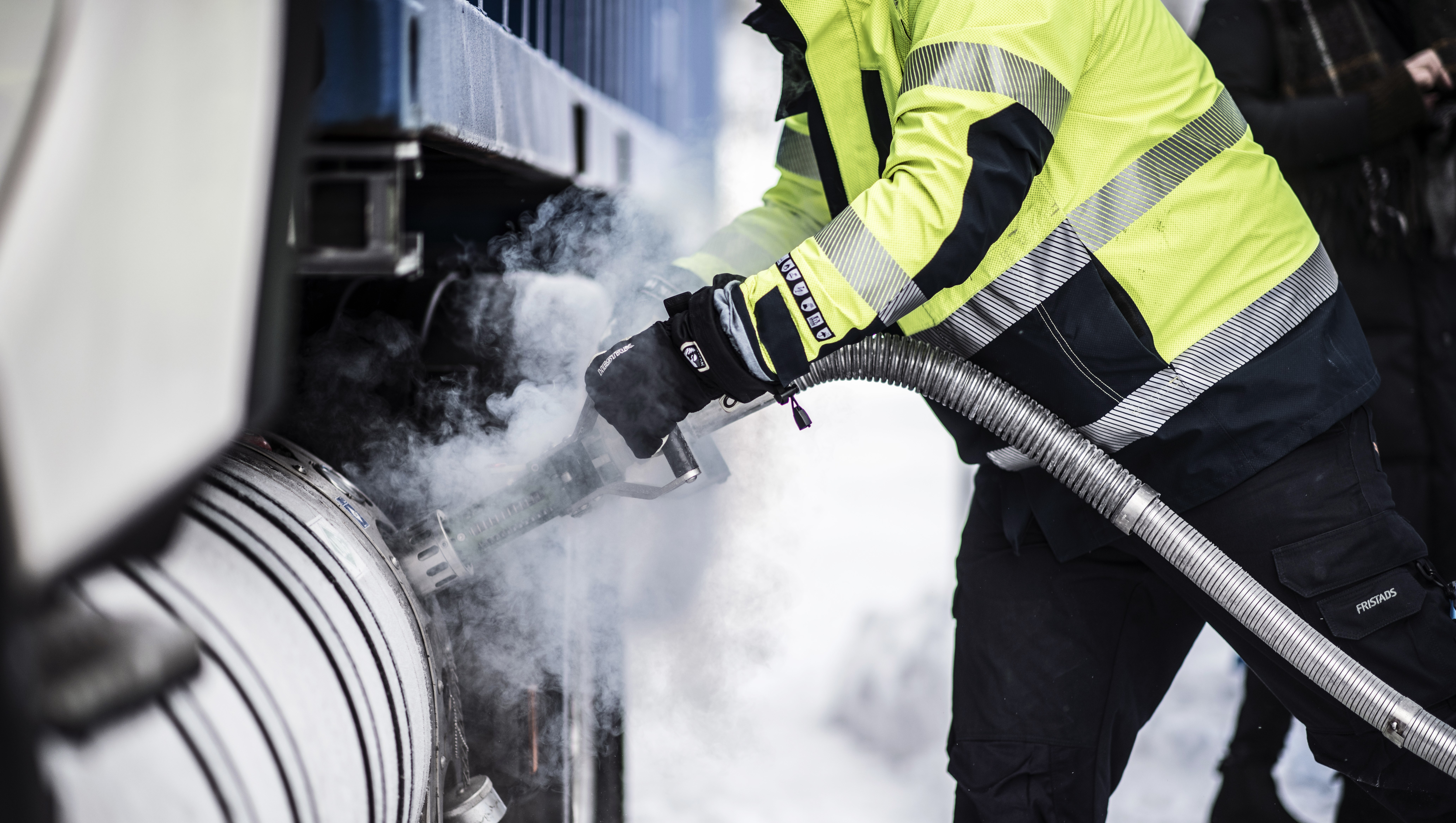 Gasum's filling station network has expanded significantly in recent years, as new stations have been opened based on customer wishes. As a result of long-term investments, low-emission transports are already possible in almost all of Finland.Gasum has started construction work on three new biogas filling stations in Finland.
A liquefied biogas (LBG) filling station will be built in Ylivieska to serve heavy-duty transport. The Raseborg station, on the other hand, will offer both liquefied and compressed biogas (CBG), which means that all kinds of gas cars can be refueled at the station.
Gasum's filling station network has expanded significantly in recent years, as new stations have been opened based on customer wishes. As a result of long-term investments, low-emission transports are already possible in almost all of Finland.Gasum has started construction work on three new biogas filling stations in Finland.
A liquefied biogas (LBG) filling station will be built in Ylivieska to serve heavy-duty transport. The Raseborg station, on the other hand, will offer both liquefied and compressed biogas (CBG), which means that all kinds of gas cars can be refueled at the station.
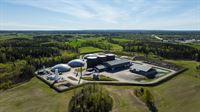
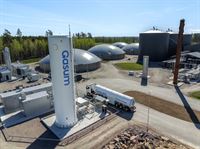
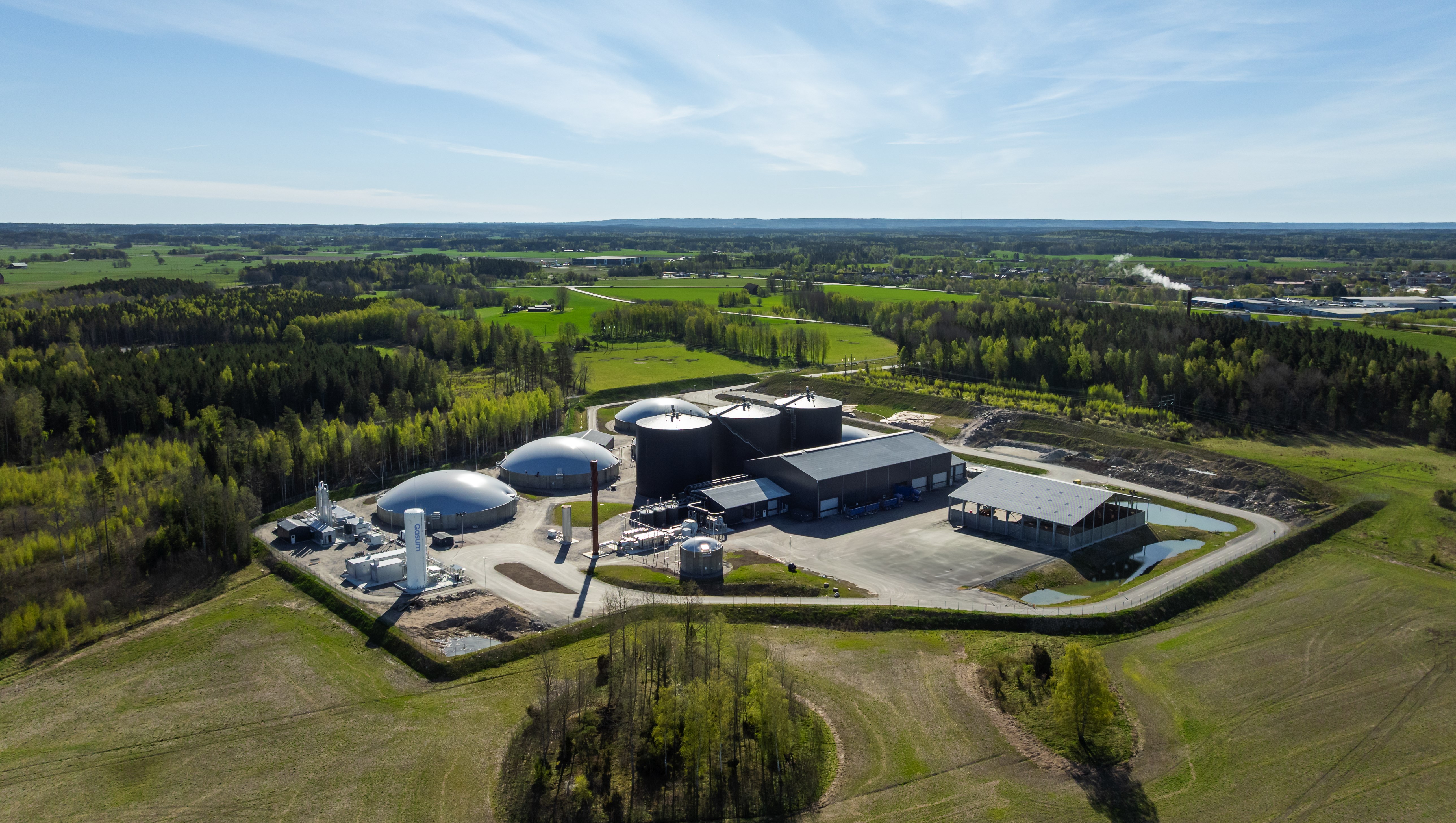 The plant gathers manure from surrounding farms for energy production. In addition to biogas, the plant produces recycled fertilizers that circulate back to local food production.Nordic energy company Gasum has officially inaugurated its newest and largest biogas plant in the Swedish town of Götene. Construction of the plant started in 2023 and was finished on schedule early 2025.
Each year the plant takes in 400,000 tons of manure and other agricultural waste from neighboring farms and turns it into renewable energy as well as recycled fertilizers. The renewable fertilizers are then
The plant gathers manure from surrounding farms for energy production. In addition to biogas, the plant produces recycled fertilizers that circulate back to local food production.Nordic energy company Gasum has officially inaugurated its newest and largest biogas plant in the Swedish town of Götene. Construction of the plant started in 2023 and was finished on schedule early 2025.
Each year the plant takes in 400,000 tons of manure and other agricultural waste from neighboring farms and turns it into renewable energy as well as recycled fertilizers. The renewable fertilizers are then
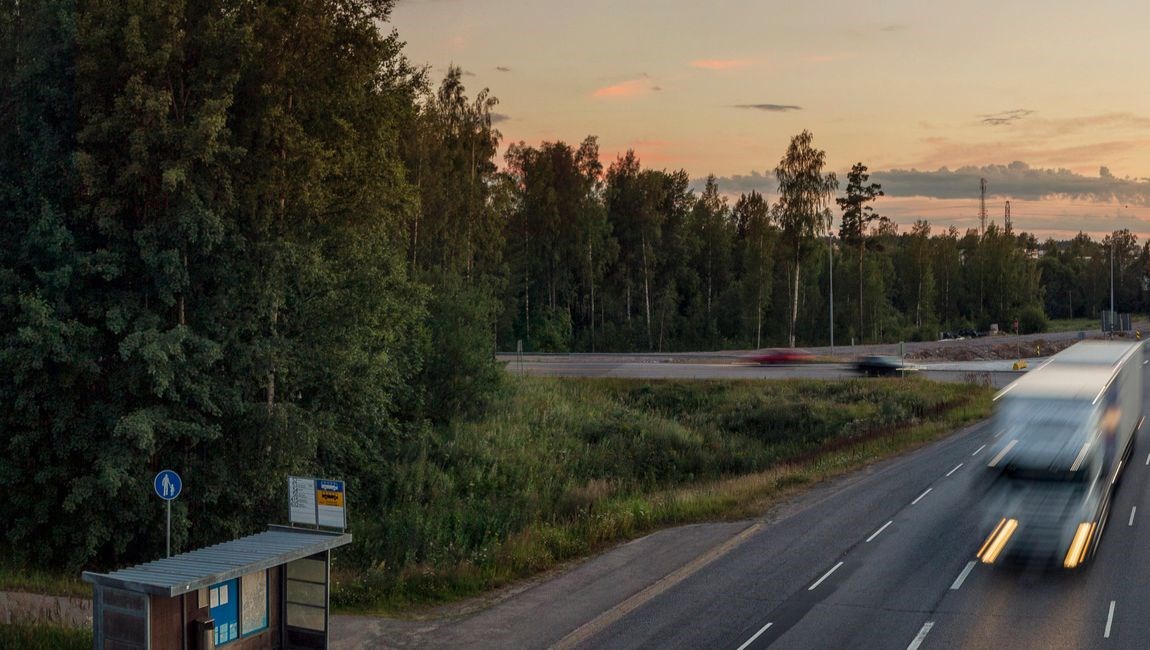 Gasum also uses Fazer’s food waste to produce biogas.Nordic energy company Gasum and the food and confectionary group Fazer have entered into an agreement on the use of biogas in the transport of Fazer’s bakery products. The inedible food waste generated at the bakeries is used to produce biogas in Gasum’s biogas plants.
This means that some of Fazer’s products travel across Finland using energy produced from Fazer’s own waste.
Fazer aims to cut its carbon footprint by at least 42% by 2030. Concrete ways to achieve this include using more renewable energy in production, making
Gasum also uses Fazer’s food waste to produce biogas.Nordic energy company Gasum and the food and confectionary group Fazer have entered into an agreement on the use of biogas in the transport of Fazer’s bakery products. The inedible food waste generated at the bakeries is used to produce biogas in Gasum’s biogas plants.
This means that some of Fazer’s products travel across Finland using energy produced from Fazer’s own waste.
Fazer aims to cut its carbon footprint by at least 42% by 2030. Concrete ways to achieve this include using more renewable energy in production, making
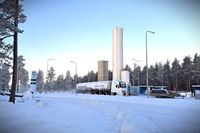
 The station serves both passenger cars and heavy-duty vehicles. The local port and industry brings heavy-duty traffic to the Rauma region – it is now possible to reduce its emissions with biogas.Gasum's newest gas filling station in the Finnish town of Rauma has been opened to customers. The station provides both liquefied and compressed gas, which means that both passenger cars and heavy-duty vehicles can be refueled at the station.
Like Gasum's other filling stations, the Rauma station only sells biogas, as the distribution of natural gas at all Gasum filling stations in Finland has
The station serves both passenger cars and heavy-duty vehicles. The local port and industry brings heavy-duty traffic to the Rauma region – it is now possible to reduce its emissions with biogas.Gasum's newest gas filling station in the Finnish town of Rauma has been opened to customers. The station provides both liquefied and compressed gas, which means that both passenger cars and heavy-duty vehicles can be refueled at the station.
Like Gasum's other filling stations, the Rauma station only sells biogas, as the distribution of natural gas at all Gasum filling stations in Finland has
 In 2022 Gasum delivered 1.7 TWh of biogas to its customers for a saving of 444,000 tons of carbon dioxide. Gasum sets new ambitious goals with sustainability as an integral part of the company’s new strategy.Nordic energy company Gasum launched a new strategy for the next five years in 2022. In practice, Gasum aims to shift the emphasis of its business and operations more towards renewable gas and electricity.
As part of this shift, Gasum has set a new ambitious goal of bringing seven terawatt hours (TWh) worth of renewable gas annually to the Nordic market by the year 2027. This means
In 2022 Gasum delivered 1.7 TWh of biogas to its customers for a saving of 444,000 tons of carbon dioxide. Gasum sets new ambitious goals with sustainability as an integral part of the company’s new strategy.Nordic energy company Gasum launched a new strategy for the next five years in 2022. In practice, Gasum aims to shift the emphasis of its business and operations more towards renewable gas and electricity.
As part of this shift, Gasum has set a new ambitious goal of bringing seven terawatt hours (TWh) worth of renewable gas annually to the Nordic market by the year 2027. This means