

Cruise passengers embrace “zebra striping” – Aperol Spritz faces a challenger
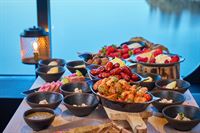
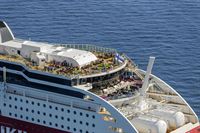
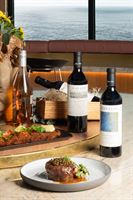
 The summer favourite Aperol Spritz is losing ground on the sun decks, as passengers have already embraced the company’s own cocktail newcomer, Raspberry Fields, early in the season. Social media-driven trends such as Espresso Martini and Spicy Margarita are also clearly reflected in orders – but at the bar, the classic Irish Coffee remains a firm favourite.The arrival of summer and the opening of the sun decks are influencing passengers’ drink choices, with consumption shifting towards lighter options. White wine, lager beer and especially long drinks are overtaking stronger alternatives.
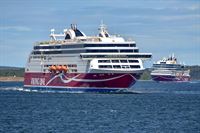
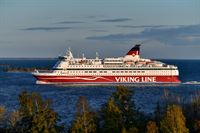
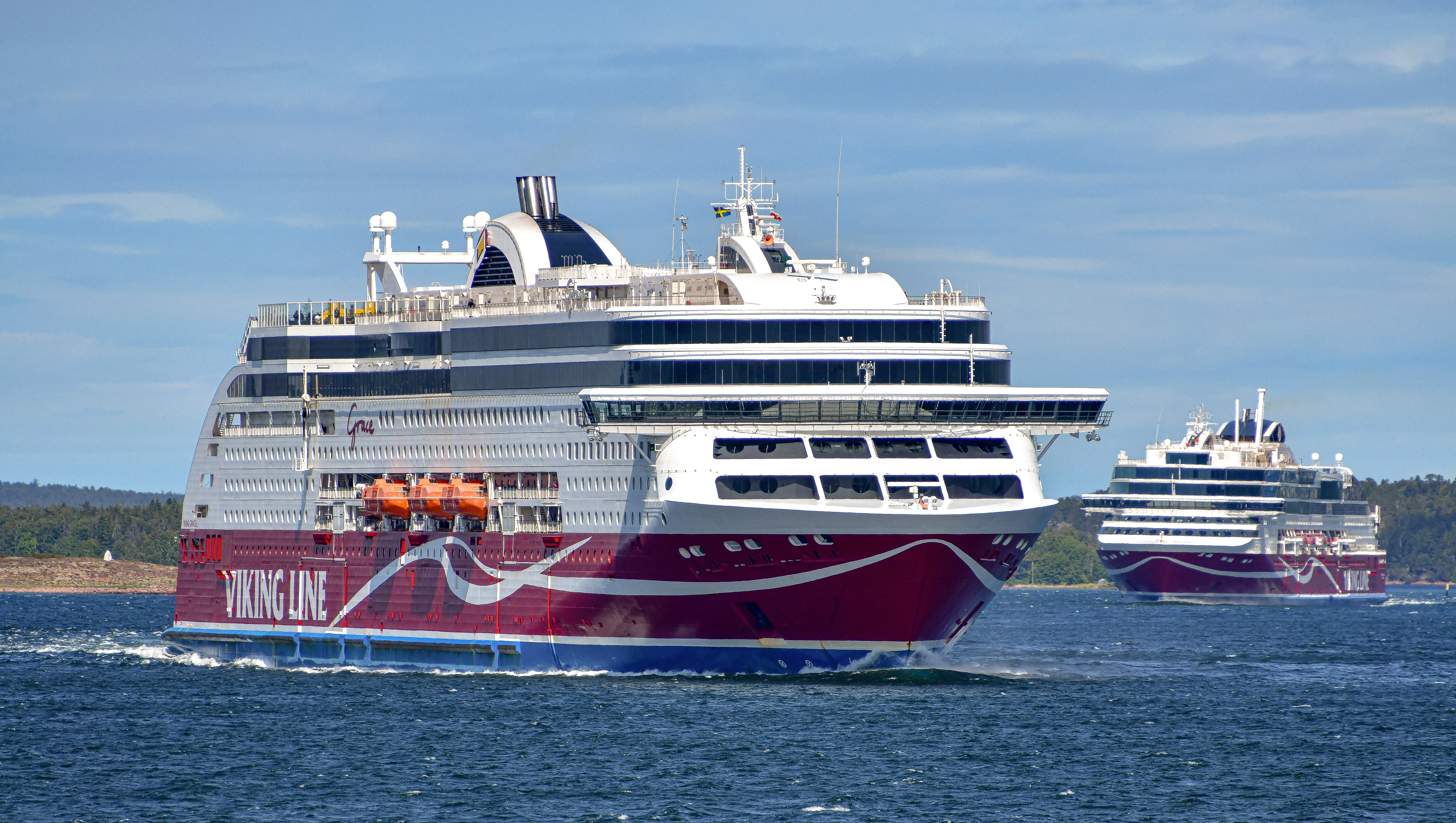 Working on board continues to attract seasonal employees regardless of economic conditions. This spring, Viking Line received 13,500 applications for onboard roles, and around 800 seasonal employees are now starting their work on board. For many young people, a summer job leads to a long-term career in the maritime sector – while the people-focused work and strong sense of community also appeal to applicants of retirement age.This summer, approximately 800 seasonal employees will work aboard Viking Line’s five vessels, making Viking Line Finland’s largest employer in the maritime sector.
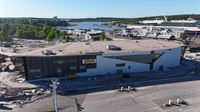
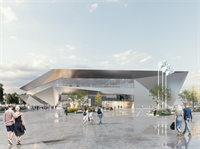
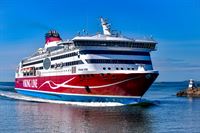
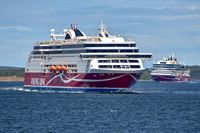
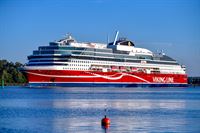
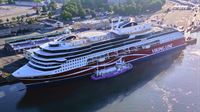
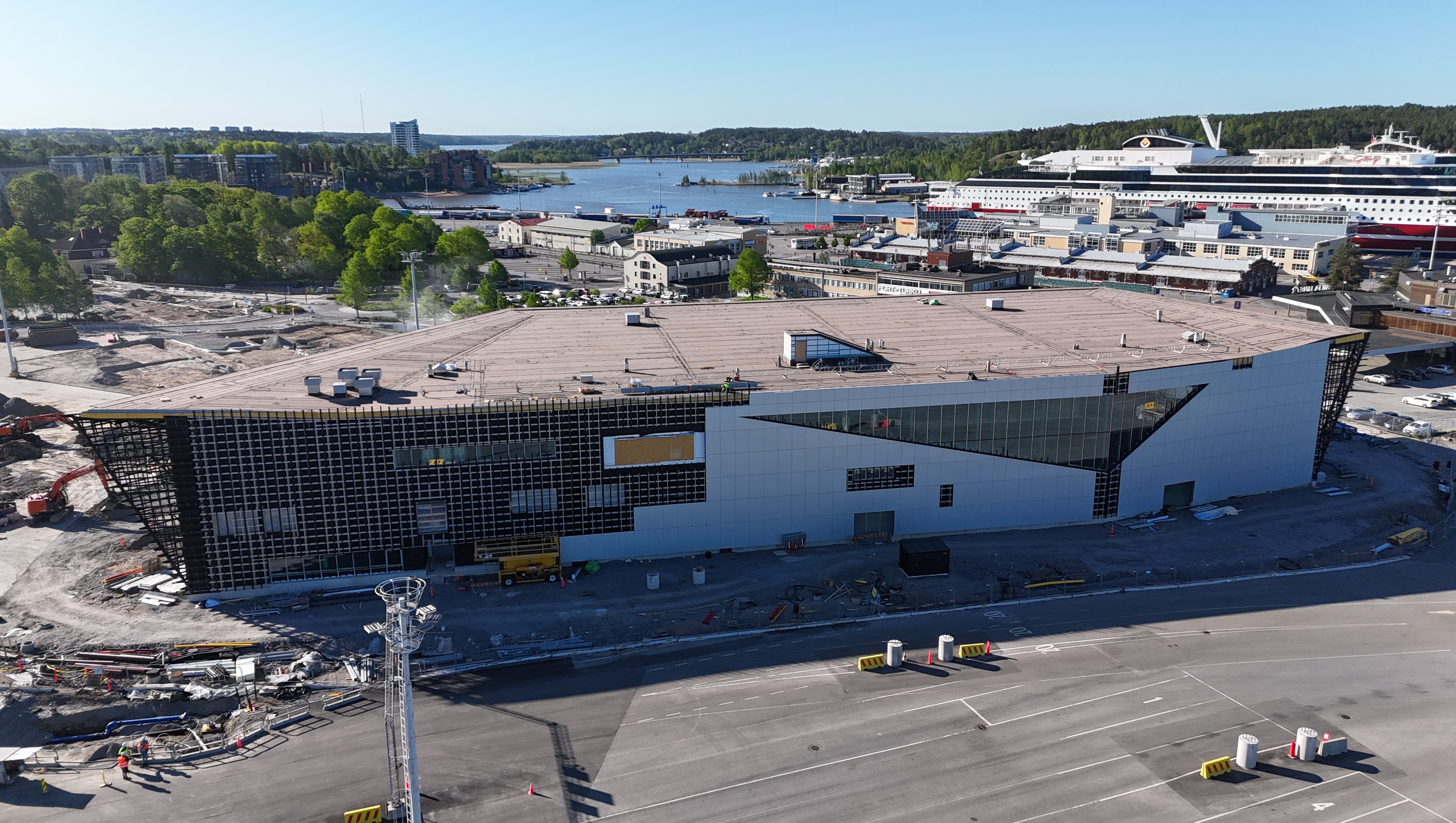 When Viking Line’s vessels call at the Port of Turku, a hectic hour lies ahead before they once again head out to sea. Ongoing port investments exceeding €200 million, including the construction of the joint Fregatti terminal, are enhancing operational efficiency. Together with Viking Line’s extensive sustainability initiatives, these investments are also helping to bring the green shipping corridor between Turku and Stockholm closer to reality.The Port of Turku and other stakeholders are investing more than €200 million in the redevelopment of the port area. From 2028 onwards, the new
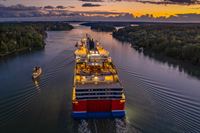
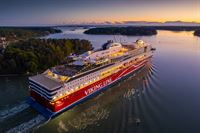
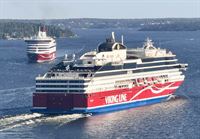
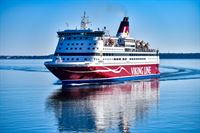
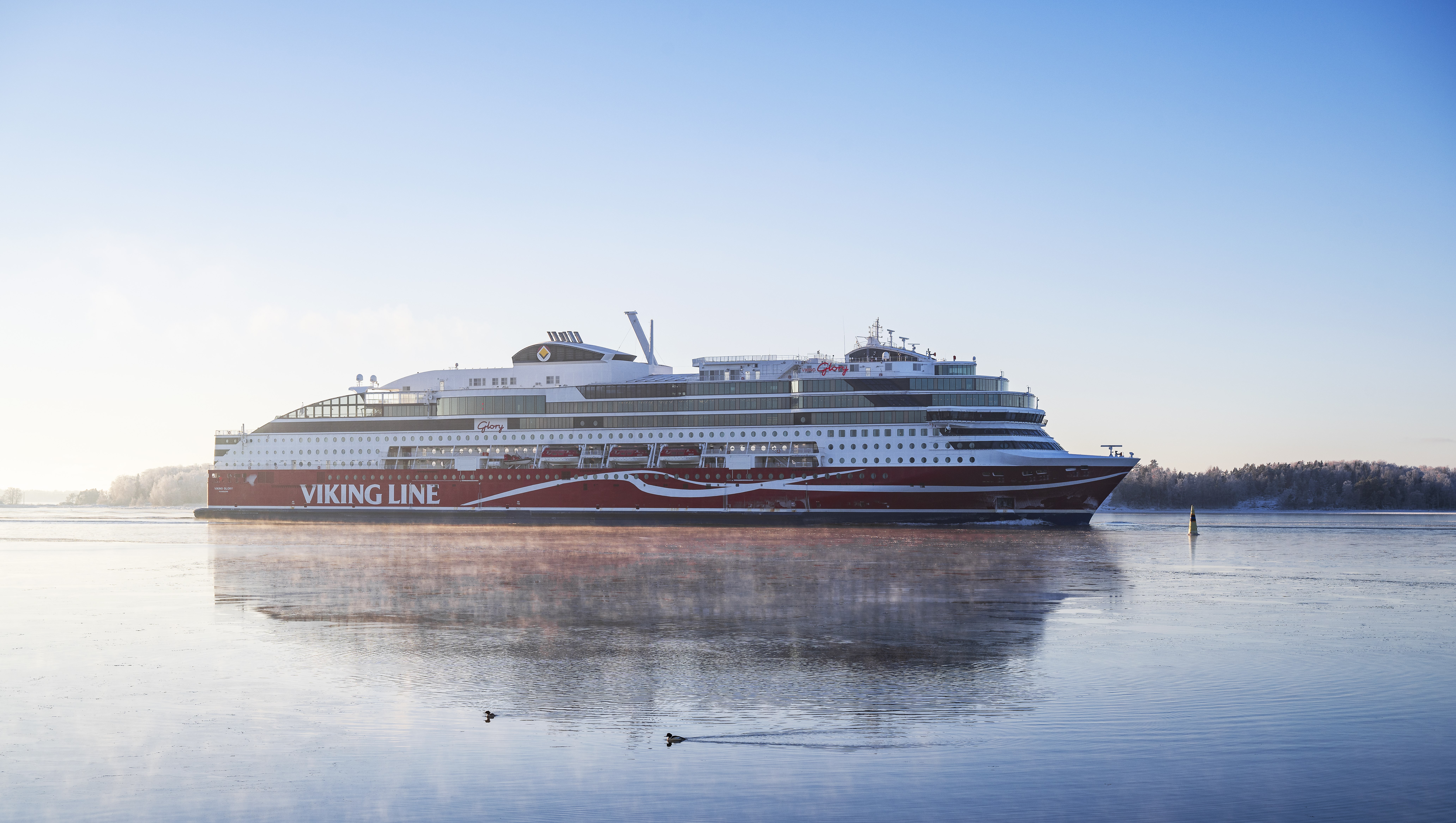 Viking Line, Port of Turku and Ports of Stockholm are running a joint project with the aim of establishing a fossil-free shipping corridor between Stockholm and Turku by 2035. Two years into the project, concrete progress has been made on biofuel, onshore power and zero-emission targets in ports.Since the project started on 6 February 2024, the parties have laid a solid foundation and deepened the collaboration on both technical solutions and joint planning. A joint roadmap has been developed and adjusted over time, with the aim of achieving a fossil-free shipping corridor by 2035.
On
Viking Line, Port of Turku and Ports of Stockholm are running a joint project with the aim of establishing a fossil-free shipping corridor between Stockholm and Turku by 2035. Two years into the project, concrete progress has been made on biofuel, onshore power and zero-emission targets in ports.Since the project started on 6 February 2024, the parties have laid a solid foundation and deepened the collaboration on both technical solutions and joint planning. A joint roadmap has been developed and adjusted over time, with the aim of achieving a fossil-free shipping corridor by 2035.
On