
Biolan, Gasum and Pöytyän Maanparannus join forces in recycled nutrients – new company Kiertoravinne Oy serves industry and agriculture across Finland
 Kiertoravinne Oy, the new joint venture between Biolan, Gasum and Pöytyän Maanparannus, supplies digestate-based fertilizer products and recycled nutrients from biogas plants for the needs of industry and agriculture. The availability of recycled nutrients and their positive effects on the soil health of arable land are driving the constantly growing demand for them.Biolan, Gasum and Pöytyän Maanparannus joined forces at the beginning of August in the joint venture Kiertoravinne Oy. Kiertoravinne, which focuses on recycled nutrients, was originally established by Biolan in 2021. Its
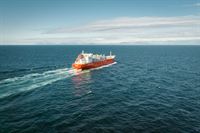
 There are around 2,000 cargo ships with an estimated 25,000 seafarers sailing on the Baltic Sea at any given time. The greywater and sewage generated on these vessels can be legally discharged into the Baltic Sea. How could this wastewater be used in the circular economy? How much renewable biogas could be produced from ship-generated wastewater? Gasum aims to determine the volume of wastewater ending up in the Baltic Sea and to study the potential to use it in biogas production. Under its Baltic Sea Commitment, Gasum is participating in the BSAG Ship Waste Action, which began in last year
 Sewage from cargo ships may be legally discharged into the Baltic Sea, although it accelerates eutrophication. The Baltic Sea Action Group is bringing together cooperation parties for the new Ship/t Waste Action project that produces biogas from sewage discharged by ships at the port.The cooperation promotes the circular model of turning sewage into biogas that will be used as fuel by heavy traffic. The Ship/t Waste Action cooperation develops waste value chains between different parties, and the port of HaminaKotka is the first location.
“We can achieve our objective of a cleaner Baltic
Sewage from cargo ships may be legally discharged into the Baltic Sea, although it accelerates eutrophication. The Baltic Sea Action Group is bringing together cooperation parties for the new Ship/t Waste Action project that produces biogas from sewage discharged by ships at the port.The cooperation promotes the circular model of turning sewage into biogas that will be used as fuel by heavy traffic. The Ship/t Waste Action cooperation develops waste value chains between different parties, and the port of HaminaKotka is the first location.
“We can achieve our objective of a cleaner Baltic
 Gasum and Metsä Fibre, part of Metsä Group, have agreed on cooperation in biogas processing at the biogas part operating as part of Metsä Fibre’s Äänekoski bioproduct mill. Metsä Fibre will be responsible for the plant’s overall operations, whereas Gasum will be responsible for the daily remote operation and maintenance of biogas processing. Gasum will buy the biogas produced at Metsä Fibre’s plant for use as a road transport fuel in the company’s filling station network.The Äänekoski biogas plant is owned by Metsä Fibre and will use wood-based sludge from the bioproduct mill to produce
 From the beginning of October 2021, six cities in the outer zone of Uusimaa – Hanko, Hyvinkää, Lohja, Loviisa, Porvoo and Raasepori – will use vehicles fueled by low-emission biogas to transport wastewater plant sewage sludge as well as biowaste collected by waste management company Rosk’n Roll Oy Ab to the Gasum biogas plant network where it will be used as raw material.The annual total of around 30,000 tonnes of sewage sludge and biowaste will help to achieve an annual carbon dioxide emission reduction of up to 7,000 tonnes, which means the same as the annual emissions of more than 3,000
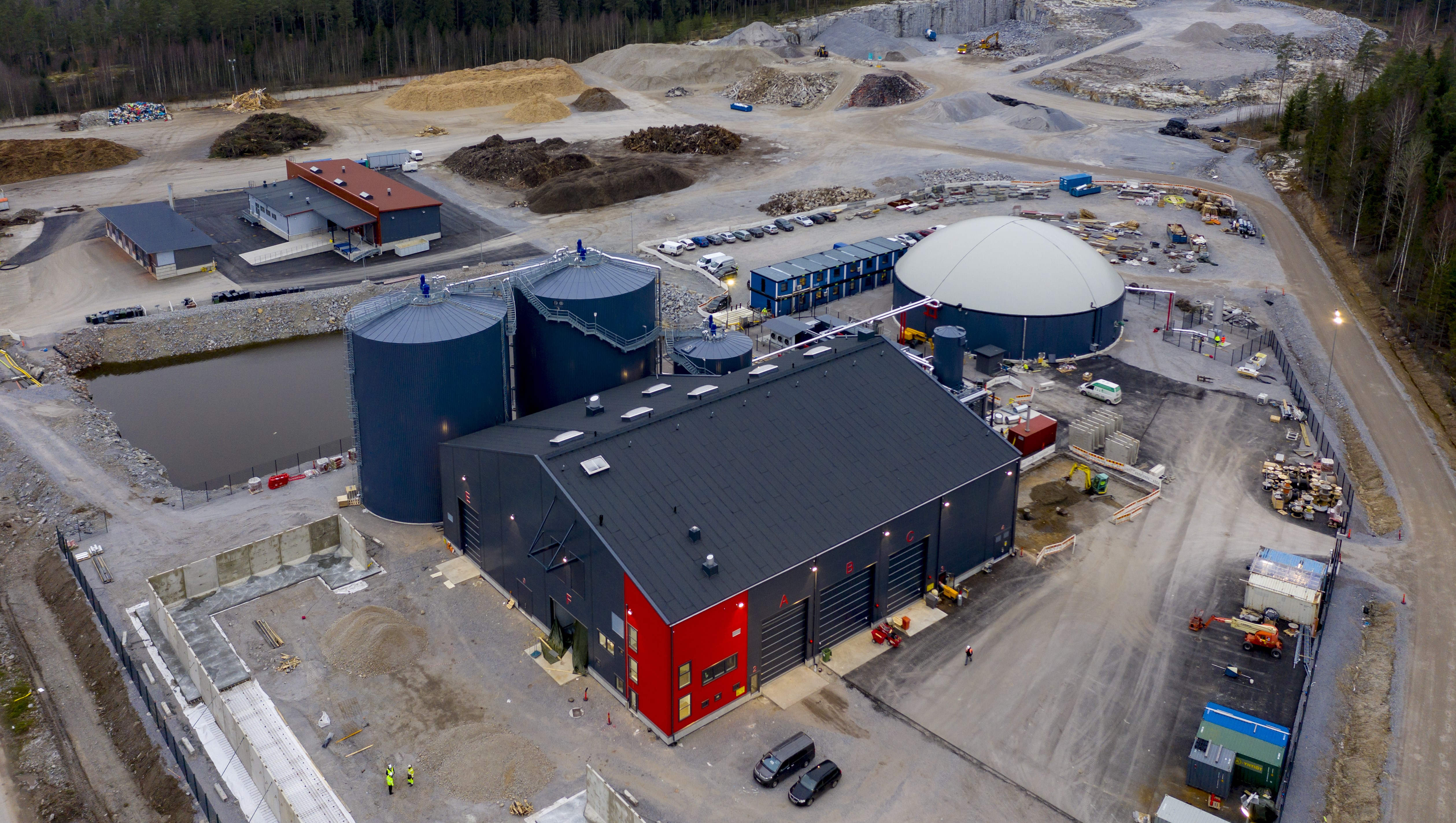 The opening of Gasum’s biogas plant in Lohja took place virtually today, June 2, 2021. The new plant was opened by Jari Leppä, Minister of Agriculture and Forestry. The plant uses biodegradable waste from the Helsinki region to produce renewable biogas and organic recycled fertilizer suitable for organic farming. Demand for renewable biogas is constantly growing and with it the need for organic waste suitable for use as a biogas feedstock.The energy company Gasum’s newest biogas plant is in Munkkaa, Lohja and was officially opened virtually on June 2, 2021 by Jari Leppä, Minister of
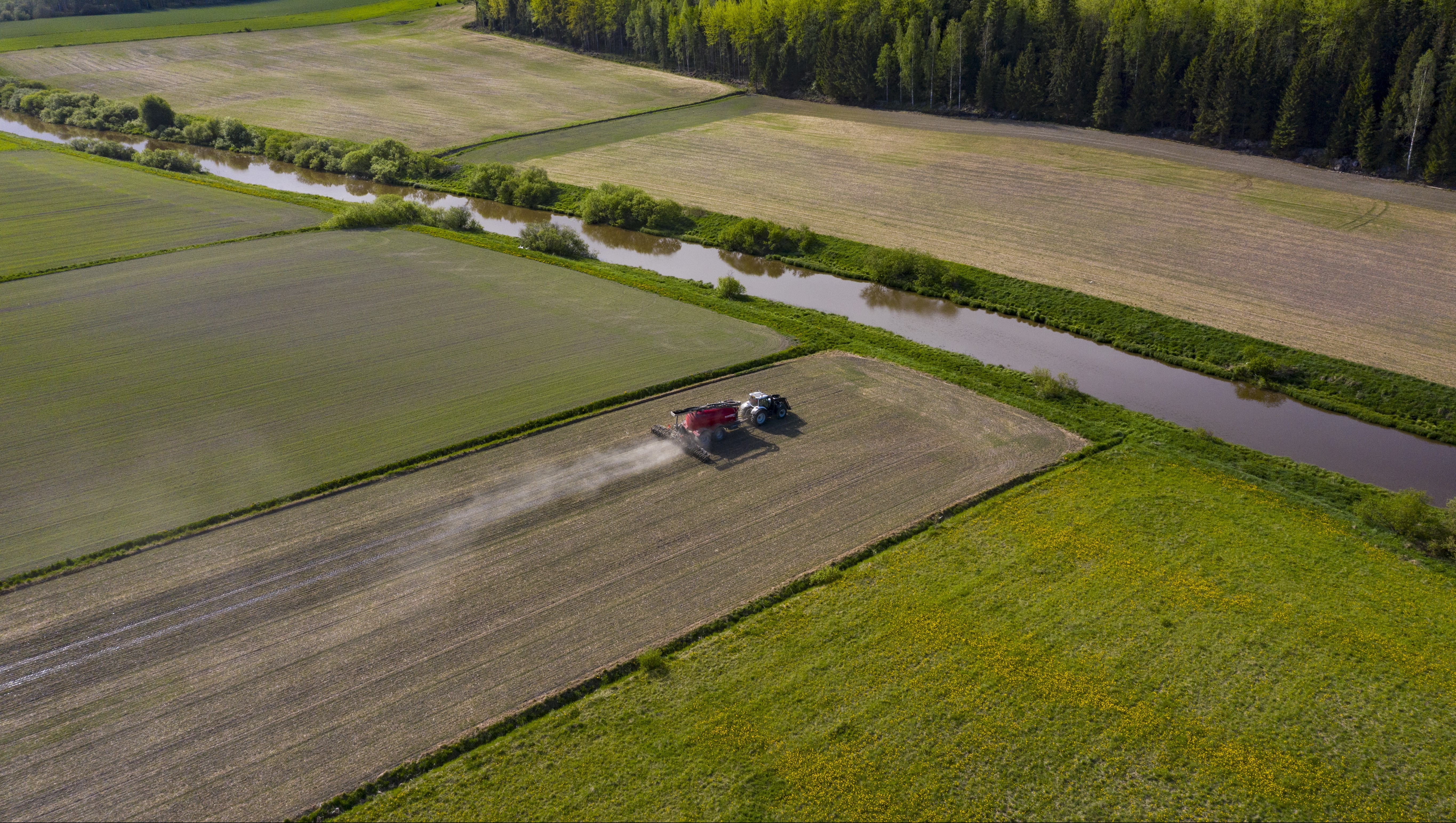
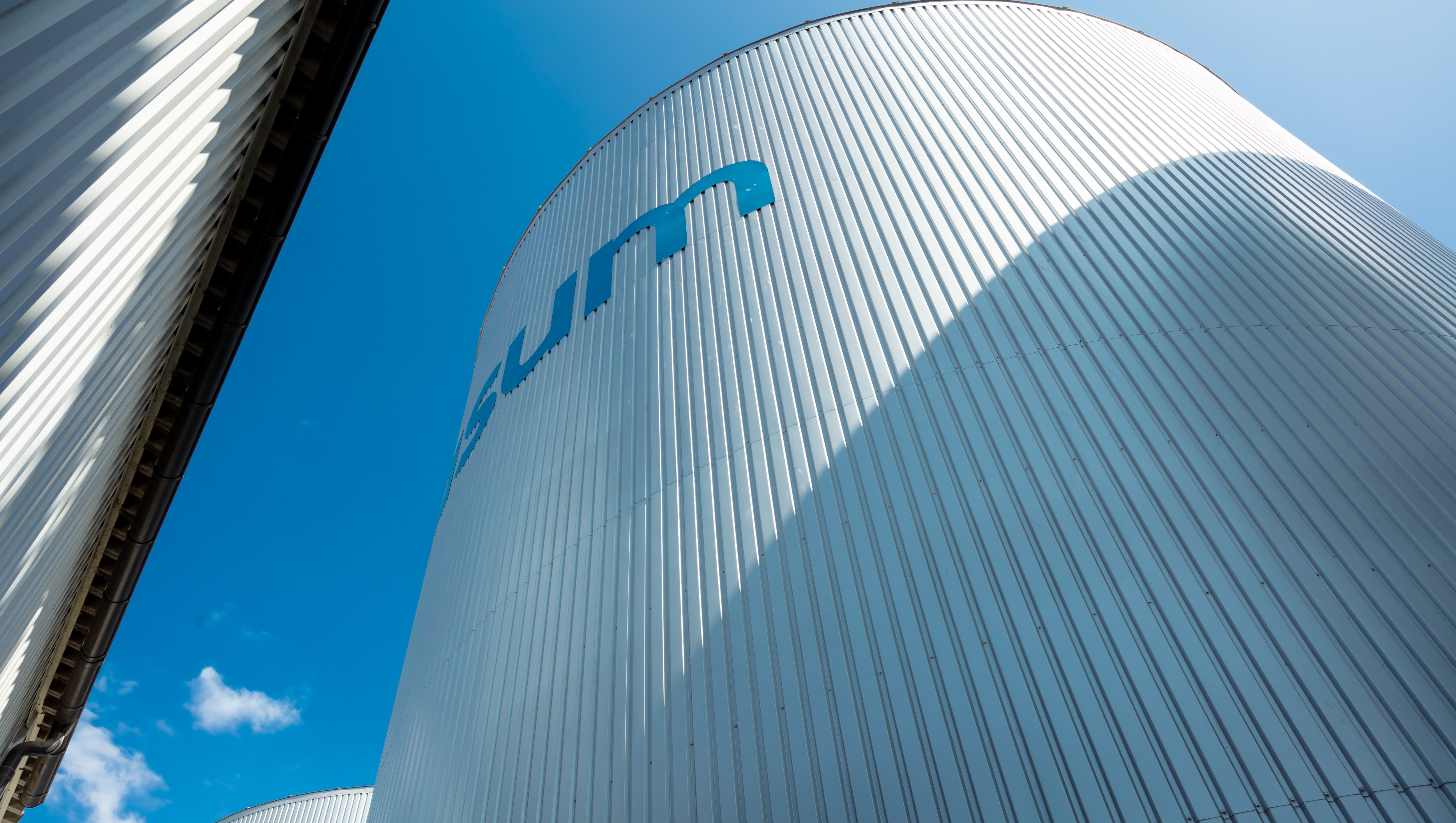 Gasum is developing new concepts to recover and recycle the nutrients in wastewater sludges.Biogas technology has a key role in recycling the nutrients in sludges and in the production of renewable traffic fuel as part of energy-efficient sludge processing. The processing of wastewater sludge and recovery of nutrients in concentrated, high quality forms has been an active subject of research in Finland and globally in recent years. Advanced processing methods often call for major investments, which justifies centralized processing.
The two-year JÄRKKI - Centralized recycling of nutrients
Gasum is developing new concepts to recover and recycle the nutrients in wastewater sludges.Biogas technology has a key role in recycling the nutrients in sludges and in the production of renewable traffic fuel as part of energy-efficient sludge processing. The processing of wastewater sludge and recovery of nutrients in concentrated, high quality forms has been an active subject of research in Finland and globally in recent years. Advanced processing methods often call for major investments, which justifies centralized processing.
The two-year JÄRKKI - Centralized recycling of nutrients
 Gasum’s biogas plants in Finland are now certified in accordance with ISO 9001, ISO 14001, ISO 45001 and ISO 50001 requirements. Compliance with quality, environment, occupational health and safety, and energy management standards will improve Gasum’s competitiveness and also benefit customers.
s.The energy company Gasum has expanded certification of the ISO 14001, ISO 45001 and ISO 50001 management systems of its Finnish biogas plants . Certification covers the plants in Honkajoki, Huittinen, Kuopio, Oulu, Riihimäki, Turku and
Gasum’s biogas plants in Finland are now certified in accordance with ISO 9001, ISO 14001, ISO 45001 and ISO 50001 requirements. Compliance with quality, environment, occupational health and safety, and energy management standards will improve Gasum’s competitiveness and also benefit customers.
s.The energy company Gasum has expanded certification of the ISO 14001, ISO 45001 and ISO 50001 management systems of its Finnish biogas plants . Certification covers the plants in Honkajoki, Huittinen, Kuopio, Oulu, Riihimäki, Turku and
 A groundbreaking biogas plant in Nymölla, Sweden, is the result of a partnership between the energy company Gasum and the renewable materials provider Stora Enso. By turning process water generated by Stora Enso’s Nymölla paper mill into liquefied biogas (LBG), the plant will be able to produce renewable fuel for the road transport, industry, and maritime sectors. This circular economy cooperation is the first of its kind in Sweden. The plant, built and operated by Gasum, will be opened on April 27, 2021, and the inauguration event will be attended by Per Bolund, Swedish Minister of
 Klimatklivet has granted Gasum funds to build two new biogas plants in Skåne, in southernmost Sweden. The two new plants are planned to be built by Gasum and run on local feedstock from the region. When up and running, the plants would increase biogas production in Skåne County by around 50%, creating value out of biodegradable materials in Sweden’s most heavily-farmed region.Klimatklivet has granted the energy company Gasum funds to build two new biogas plants in Skåne. Klimatklivet is a Swedish initiative to fund local projects aimed at reducing carbon emissions through the Swedish
 Gasum is progressing towards carbon neutrality by setting new environmental targets to mitigate climate change. The company seeks to increase the availability of biogas to reach cumulative carbon emission reductions of a million tons. By 2025, Gasum intends to make 4 TWh of biogas available on the market from the company’s own production and that of certified European partners. In its own operations, Gasum aims to reduce the emissions in liquefied natural gas (LNG) and biogas production chains and to implement energy efficiency measures.”Responsibility is a key element in Gasum’s strategy.
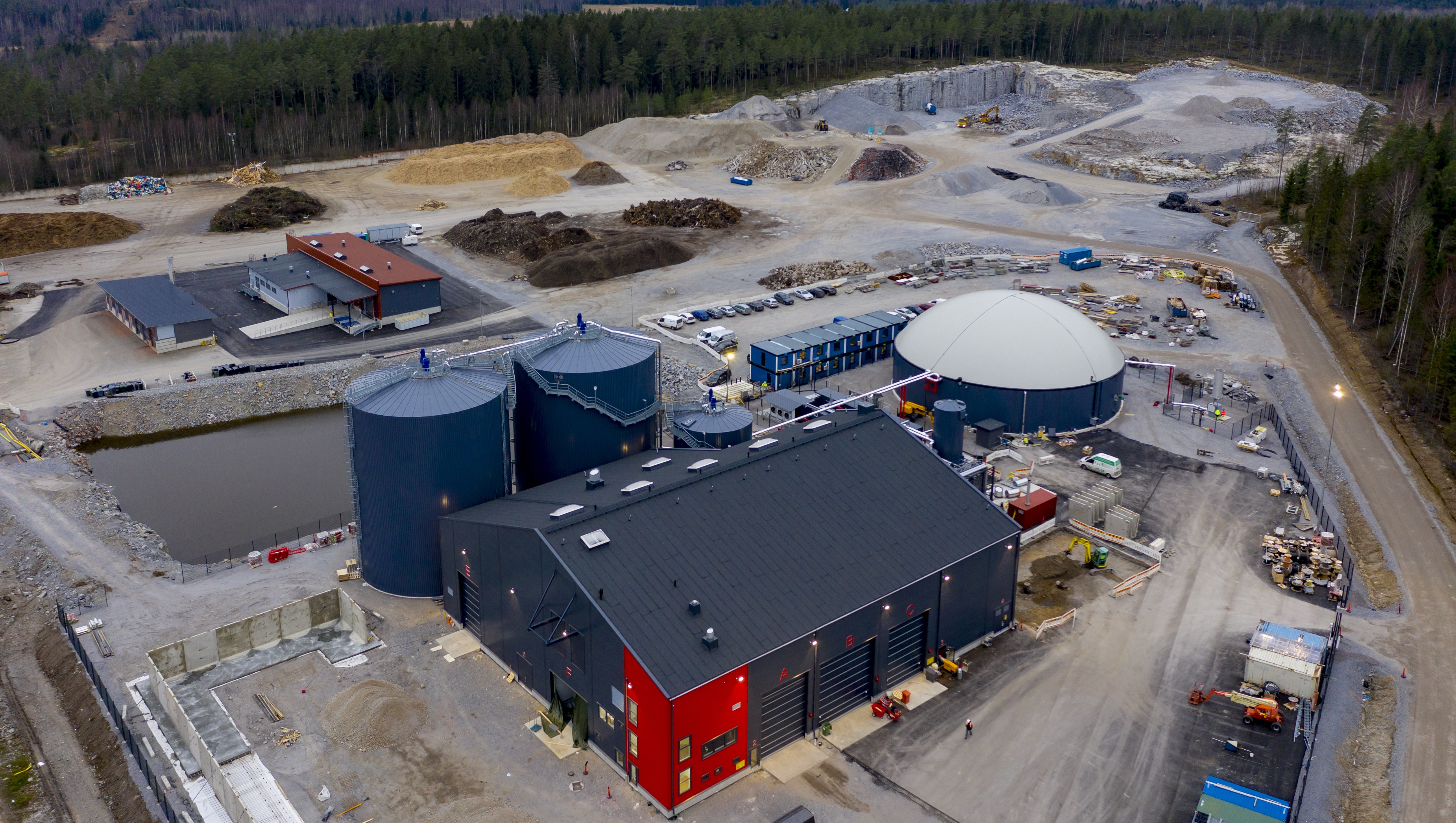 Gasum’s biogas plant on the site of Munkkaa waste center in Lohja will turn biowaste from the Helsinki region into renewable biogas for transport and industry as well as organic fertilizers for agriculture. The plant will process around 60,000 tonnes of biodegradable feedstocks into 40 GWh of biogas and 50,000 tonnes of organic fertilizers a year. The biogas will be injected from the plant straight into the gas network. The plant entered commercial service to plan in January 2021.Gasum strives actively to increase biogas production capacity by building new biogas plants and also by
 Starting in the end of December 2020, biowaste in the Helsinki region will be turned into local biogas following the completion of Gasum’s biowaste transfer station in the Vantaa district of Viinikkala. The biowaste transfer station has the capacity to receive 34,000 tonnes of solid and sludge biowaste a year. Gasum’s biogas plants will process the biowaste into enough biogas for the tanks of around 2,000 gas vehicles and into recycled fertilizers for the use of farmers. The biowaste transfer station will help Gasum, in partnership with other operators, to promote the implementation of the
 Gasum is working with HKScan on plans to switch to manure-based feedstock at the Huittinen biogas plant in Finland. The plant would use mainly local pig and cattle manure to produce biogas. As one of HKScan’s contract partners, contract pig meat producer Emomylly Oy has also committed to the project.Gasum and HKScan are together planning to convert Gasum’s existing biogas plant in Huittinen to an industrial-scale manure plant. The proposed plant would be Finland’s first industrial scale biogas plant using manure as its main feedstock. The plant would utilize 60,000 tonnes of various
 Oulun Energia and Gasum are together planning to build a biogas plant in conjunction with Oulun Energia’s Laanila eco power plant. The biogas plant would use the biodegradable material in municipal waste as the feedstock to produce biogas for use as a road fuel.Gasum’s plans to build not only a biogas plant but also a gas liquefaction unit to process the biogas into a fuel for heavy-duty vehicles. The Laanila plant would be the second liquefied biogas (LBG) production plant in Finland.
In the joint Laanila biogas plant project, Oulun Energia plans to invest in a waste processing unit to
Oulun Energia and Gasum are together planning to build a biogas plant in conjunction with Oulun Energia’s Laanila eco power plant. The biogas plant would use the biodegradable material in municipal waste as the feedstock to produce biogas for use as a road fuel.Gasum’s plans to build not only a biogas plant but also a gas liquefaction unit to process the biogas into a fuel for heavy-duty vehicles. The Laanila plant would be the second liquefied biogas (LBG) production plant in Finland.
In the joint Laanila biogas plant project, Oulun Energia plans to invest in a waste processing unit to
 Gasum strives actively to increase biogas production capacity by expanding and improving the efficiency of existing biogas plants and by increasing biogas procurement. The opening of the Turku biogas plant took place today. The biogas plant is the first in Finland to produce liquefied biogas for transport, industrial and maritime needs.Start-up of Finland’s first biogas plant producing liquefied biogasThe major expansion and modernization of Gasum’s biogas plant in Topinoja, Turku has been completed. The plant was opened today, and commercial use of the plant started up. The expansion of
 LAB University of Applied Sciences (LAB), LUT University (LUT) and Lahti Region Development LADEC are studying a regional carbon dioxide emissions recycling concept in Päijät-Häme. A capture and purification pilot aimed at utilizing recycled carbon dioxide (biocarbon dioxide) is under way in partnership with Päijät-Häme Waste Management (PHJ) at the Kujala waste center in Lahti, LABIO Oy and Gasum.The carbon capture pilot is part of the BIOSYKLI project, which is studying the largest regional producers of carbon dioxide and regional users for captured and purified carbon dioxide. The carbon
 In future, biowaste from residents in Rovaniemi, Ranua and Pello will be turned into renewable Finnish biogas and recycled nutrients at Gasum’s biogas plant in Oulu. A contract between energy company Gasum and municipal waste management company Napapiirin Residuum Oy marks a new step in the regional circular economy in Northern Finland. In future, residents’ biowaste will be recycled into a fuel for the tanks of gas vehicles."Municipalities and municipal waste management companies have an important role in promoting the production of Finnish biogas and transport emission reductions. At the