
Gasum and Scania strategic collaboration: New biogas filling station opened in Södertälje
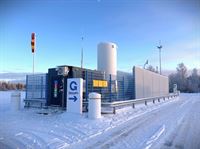
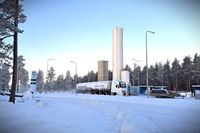
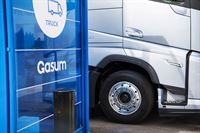
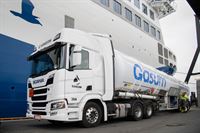
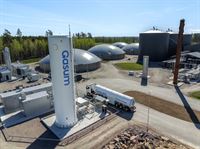
 As part of the national strategy to cut emissions in the Swedish transport sector, Gasum and Scania opened a groundbreaking biogas filling station on May 27th in Södertälje. Cementing the commitment of stakeholders within the transportation sector and fostering political interest, the inauguration showcased the urgent need for innovative, sustainable solutions, advocating the indispensable role of biogas as the linchpin in achieving nationwide emission reduction targets and facilitating a transition to a circular economy.On May 27th at noon, the landscape of the transport industry took a
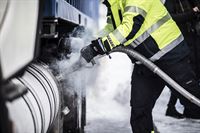
 Gasum and the Norwegian Road Transport Association (NLF) have entered into a cooperation agreement to highlight biogas as one of several green energy solutions for the green transition. This will be done through the promotion of biogas and its benefits to replace fossil diesel.Gasum, a leading Nordic energy company, and the Norwegian Road Transport Association (NLF) have officially entered into a strategic cooperation agreement aimed at advancing the role of biogas in Norway's green energy landscape. The collaboration, effective from January 1, 2024, seeks to position biogas as a prominent
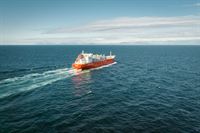
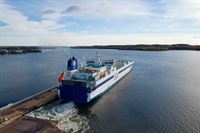
 There are around 2,000 cargo ships with an estimated 25,000 seafarers sailing on the Baltic Sea at any given time. The greywater and sewage generated on these vessels can be legally discharged into the Baltic Sea. How could this wastewater be used in the circular economy? How much renewable biogas could be produced from ship-generated wastewater? Gasum aims to determine the volume of wastewater ending up in the Baltic Sea and to study the potential to use it in biogas production. Under its Baltic Sea Commitment, Gasum is participating in the BSAG Ship Waste Action, which began in last year
 The energy company Gasum has published its Sustainability Report and Highlights for 2021. The report focuses on key impacts from the social, environmental and economic perspectives.Sustainability is an integral part of Gasum’s strategy to promote development towards a carbon-neutral future in industry as well as in road and maritime transport. Gasum’s responsibility work is steered by the company’s Corporate Responsibility Program and targets, which cover environmental responsibility, social responsibility, responsible business and governance.
Gasum is committed to operating sustainably
The energy company Gasum has published its Sustainability Report and Highlights for 2021. The report focuses on key impacts from the social, environmental and economic perspectives.Sustainability is an integral part of Gasum’s strategy to promote development towards a carbon-neutral future in industry as well as in road and maritime transport. Gasum’s responsibility work is steered by the company’s Corporate Responsibility Program and targets, which cover environmental responsibility, social responsibility, responsible business and governance.
Gasum is committed to operating sustainably
 The energy company Gasum is expanding its cooperation with haulage and logistics company Sandahls Logistik. Sandahls Logistik aims to phase out fossil-fueled transport in its operations by 2025 and has chosen to invest in biogas-powered vehicles for road transport. To this end, Gasum has concluded a new biogas fuel agreement worth several hundred million Swedish crowns with Sandahls Logistik and will now build two new public stations next to the logistics company’s terminals. At the same time, Sandahls Logistik will invest in 120 new biogas-powered trucks from Volvo Trucks, which started to
 Logistics company DACHSER Finland is investing in low-emissions transports by procuring ten biogas fueled short-distance delivery trucks for its deliveries in the Helsinki Region. Choosing environmentally friendly and fully renewable biogas helps to reduce carbon emissions. A fleet of vehicles powered by compressed biogas (CBG) is, therefore, part of the company’s climate protection strategy to reduce carbon footprint from transportation in the short term, while simultaneously supporting businesses ordering logistics in their environmentally friendly approach.”It’s particularly important
 The energy company Gasum provides grants to researchers every year. Research, technology and innovations play key roles in the journey towards a clean and sustainable Nordic gas ecosystem. The application period for the 2022 year’s grants are open in January 11, 2022 and will end in February 10, 2022.The Gasum Gas Fund aims to respond to society’s transformational challenges by developing energy solutions based on gas and producing information supporting the development of the gas sector towards sustainable energy production.Thematic areas supported may be related to, for example:
·
The energy company Gasum provides grants to researchers every year. Research, technology and innovations play key roles in the journey towards a clean and sustainable Nordic gas ecosystem. The application period for the 2022 year’s grants are open in January 11, 2022 and will end in February 10, 2022.The Gasum Gas Fund aims to respond to society’s transformational challenges by developing energy solutions based on gas and producing information supporting the development of the gas sector towards sustainable energy production.Thematic areas supported may be related to, for example:
·
 Sewage from cargo ships may be legally discharged into the Baltic Sea, although it accelerates eutrophication. The Baltic Sea Action Group is bringing together cooperation parties for the new Ship/t Waste Action project that produces biogas from sewage discharged by ships at the port.The cooperation promotes the circular model of turning sewage into biogas that will be used as fuel by heavy traffic. The Ship/t Waste Action cooperation develops waste value chains between different parties, and the port of HaminaKotka is the first location.
“We can achieve our objective of a cleaner Baltic
Sewage from cargo ships may be legally discharged into the Baltic Sea, although it accelerates eutrophication. The Baltic Sea Action Group is bringing together cooperation parties for the new Ship/t Waste Action project that produces biogas from sewage discharged by ships at the port.The cooperation promotes the circular model of turning sewage into biogas that will be used as fuel by heavy traffic. The Ship/t Waste Action cooperation develops waste value chains between different parties, and the port of HaminaKotka is the first location.
“We can achieve our objective of a cleaner Baltic
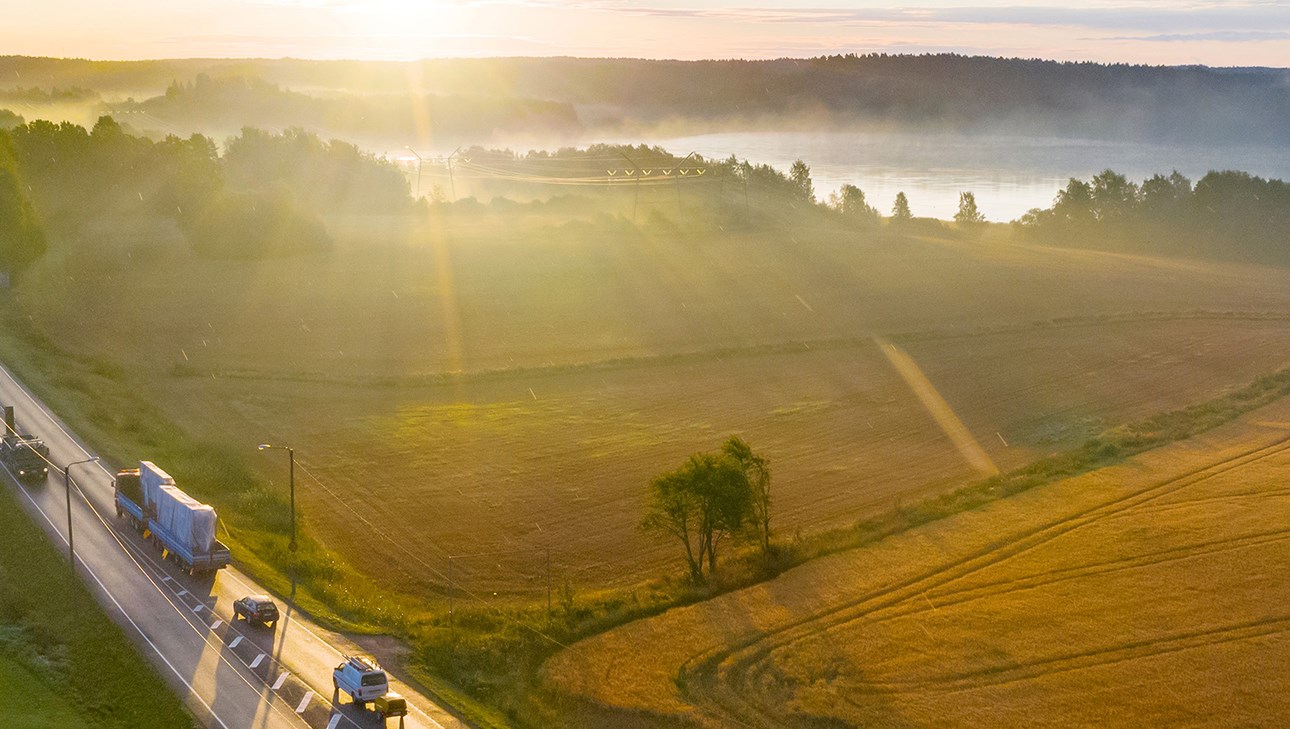 Gasum and Metsä Fibre, part of Metsä Group, have agreed on cooperation in biogas processing at the biogas part operating as part of Metsä Fibre’s Äänekoski bioproduct mill. Metsä Fibre will be responsible for the plant’s overall operations, whereas Gasum will be responsible for the daily remote operation and maintenance of biogas processing. Gasum will buy the biogas produced at Metsä Fibre’s plant for use as a road transport fuel in the company’s filling station network.The Äänekoski biogas plant is owned by Metsä Fibre and will use wood-based sludge from the bioproduct mill to produce
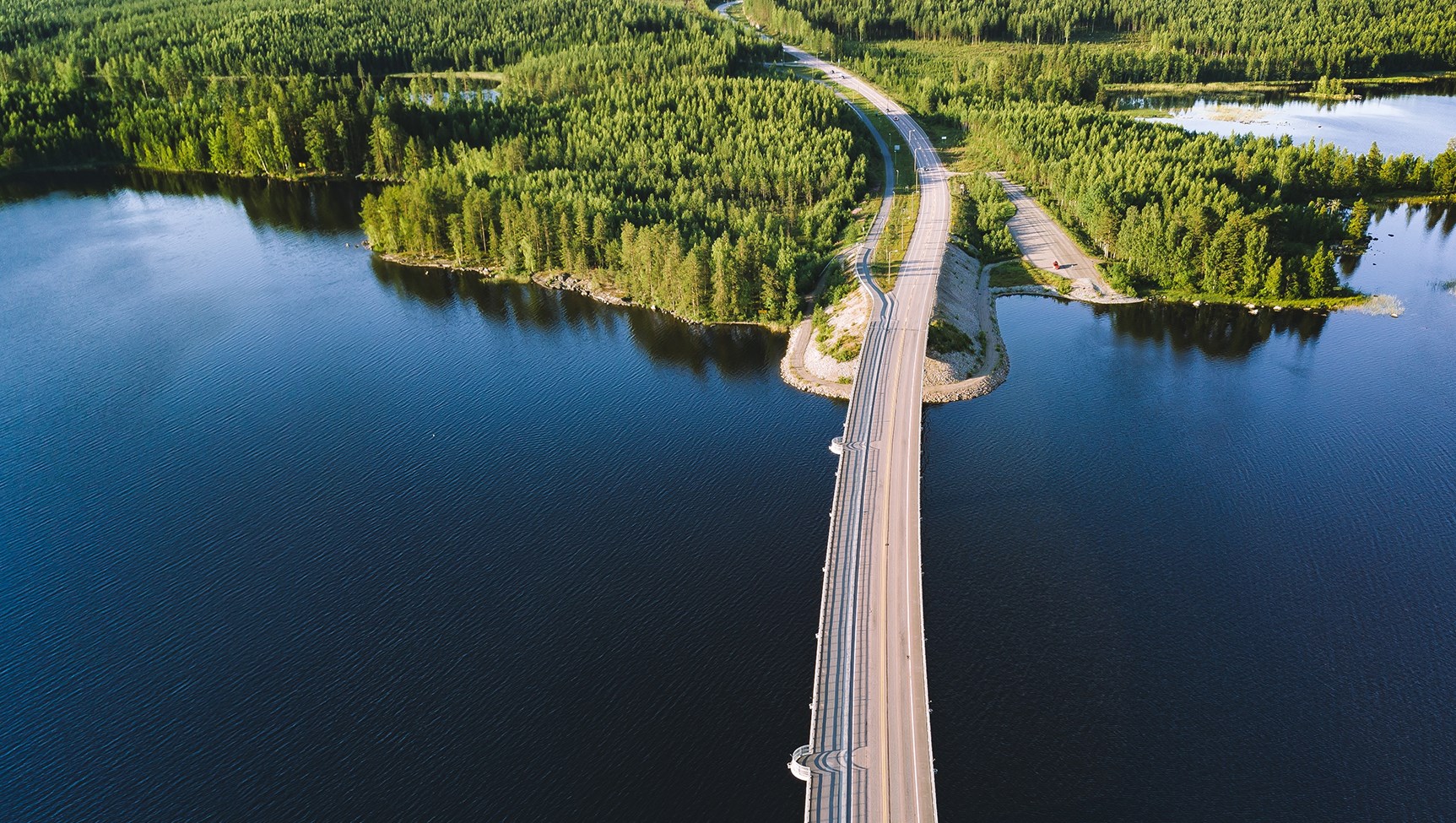 Energy company Gasum and Finnish company Hycamite TCD Technologies are to study the decarbonization of natural gas and biogas. Natural gas and biogas mostly consist of methane and Hycamite’s technology decomposes the methane molecules in gas into its elemental components, clean hydrogen and pure carbon with no emissions. Pure carbon can be used as a raw material in e-vehicle batteries, for example, and hydrogen can be used in clean energy production and as an industrial raw material.Cooperation between Gasum and Hycamite aims to study the markets and applications for decarbonized natural
 Gasum is involved in the public research part of the Hydrogen and Carbon Value Chains in Green Electrification (HYGCEL) research and consortium project. Preparation of the project was coordinated by CLIC Innovation, the research part is headed by LUT University and other universities involved in the project are Tampere University and the University of Eastern Finland. There are 19 parties in the consortium and some of the companies participating have their own parallel project. In October, the consortium received a positive funding decision of €10 million from Business Finland.The HYGCEL
 Gasum and Outokumpu have entered into a 10-year agreement on the supply of renewable wind power. The wind power supplied under the agreement will cover almost all the power consumption at Outokumpu’s Kemi mine. Supplies under the agreement will start in summer 2023.Gasum will supply renewable wind power to Outokumpu under a 10-year agreement. The wind power will be generated by Gasum’s partners’ new wind park in Finland. The partnership promotes Gasum’s strategy to provide cleaner energy for industry and heat and power production.The wind power agreement is a step towards Outokumpu reaching
 Gasum has joined the United Nations Global Compact initiative on corporate sustainability. Sustainability is an integral part of Gasum’s growth strategy to promote development towards a carbon-neutral future in industry as well as in road and maritime transport.The UN Global Compact is a voluntary, international corporate sustainability initiative administered by the United Nations. It sets ten principles relating to human rights, labor, environment and anti-corruption. The UN Global Compact calls for businesses worldwide to adopt these principles and to report on their implementation.
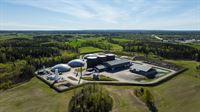
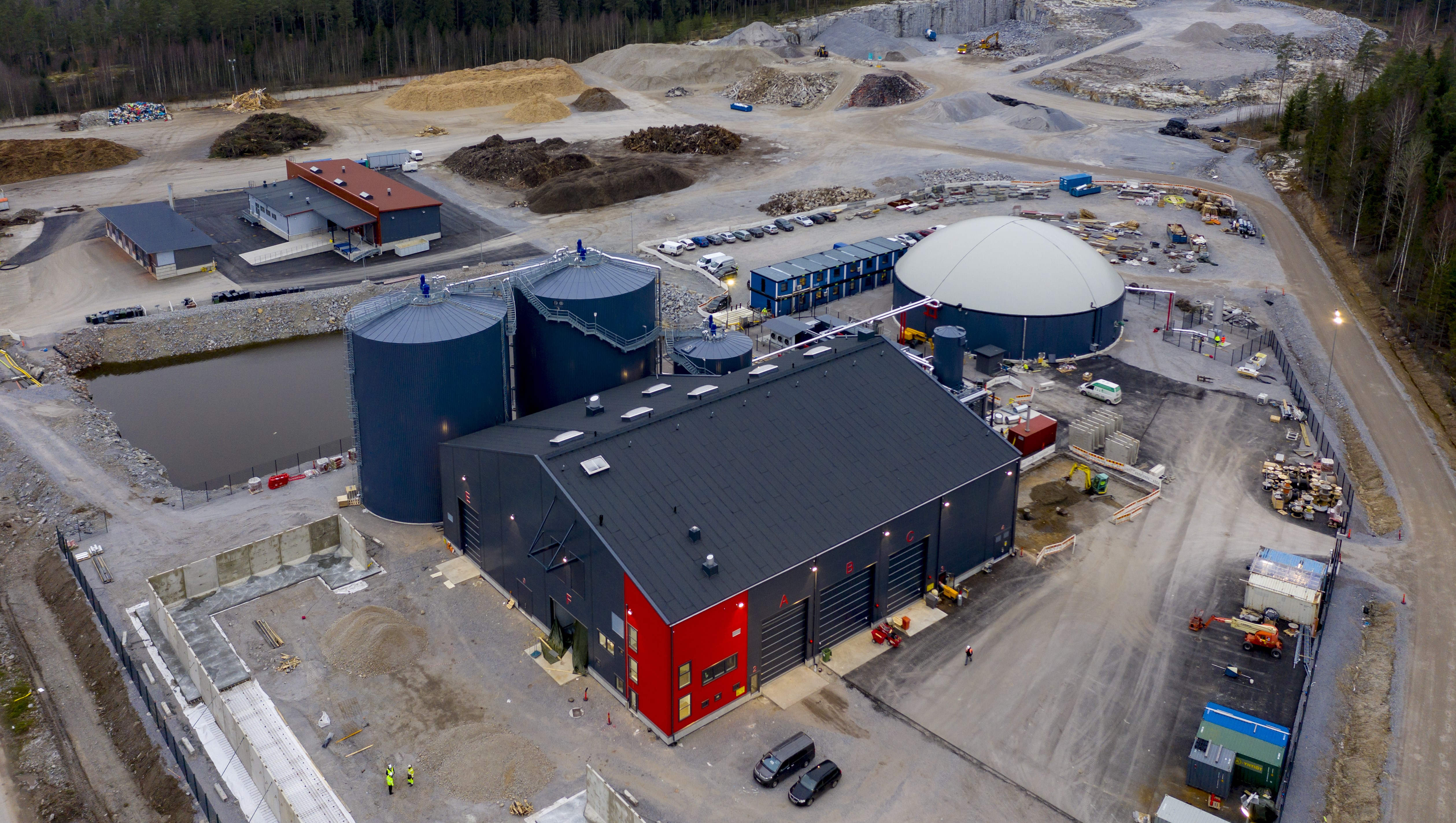 The opening of Gasum’s biogas plant in Lohja took place virtually today, June 2, 2021. The new plant was opened by Jari Leppä, Minister of Agriculture and Forestry. The plant uses biodegradable waste from the Helsinki region to produce renewable biogas and organic recycled fertilizer suitable for organic farming. Demand for renewable biogas is constantly growing and with it the need for organic waste suitable for use as a biogas feedstock.The energy company Gasum’s newest biogas plant is in Munkkaa, Lohja and was officially opened virtually on June 2, 2021 by Jari Leppä, Minister of
 Gasum is developing new concepts to recover and recycle the nutrients in wastewater sludges.Biogas technology has a key role in recycling the nutrients in sludges and in the production of renewable traffic fuel as part of energy-efficient sludge processing. The processing of wastewater sludge and recovery of nutrients in concentrated, high quality forms has been an active subject of research in Finland and globally in recent years. Advanced processing methods often call for major investments, which justifies centralized processing.
The two-year JÄRKKI - Centralized recycling of nutrients
Gasum is developing new concepts to recover and recycle the nutrients in wastewater sludges.Biogas technology has a key role in recycling the nutrients in sludges and in the production of renewable traffic fuel as part of energy-efficient sludge processing. The processing of wastewater sludge and recovery of nutrients in concentrated, high quality forms has been an active subject of research in Finland and globally in recent years. Advanced processing methods often call for major investments, which justifies centralized processing.
The two-year JÄRKKI - Centralized recycling of nutrients
 Gasum’s biogas plants in Finland are now certified in accordance with ISO 9001, ISO 14001, ISO 45001 and ISO 50001 requirements. Compliance with quality, environment, occupational health and safety, and energy management standards will improve Gasum’s competitiveness and also benefit customers.
s.The energy company Gasum has expanded certification of the ISO 14001, ISO 45001 and ISO 50001 management systems of its Finnish biogas plants . Certification covers the plants in Honkajoki, Huittinen, Kuopio, Oulu, Riihimäki, Turku and
Gasum’s biogas plants in Finland are now certified in accordance with ISO 9001, ISO 14001, ISO 45001 and ISO 50001 requirements. Compliance with quality, environment, occupational health and safety, and energy management standards will improve Gasum’s competitiveness and also benefit customers.
s.The energy company Gasum has expanded certification of the ISO 14001, ISO 45001 and ISO 50001 management systems of its Finnish biogas plants . Certification covers the plants in Honkajoki, Huittinen, Kuopio, Oulu, Riihimäki, Turku and
 A groundbreaking biogas plant in Nymölla, Sweden, is the result of a partnership between the energy company Gasum and the renewable materials provider Stora Enso. By turning process water generated by Stora Enso’s Nymölla paper mill into liquefied biogas (LBG), the plant will be able to produce renewable fuel for the road transport, industry, and maritime sectors. This circular economy cooperation is the first of its kind in Sweden. The plant, built and operated by Gasum, will be opened on April 27, 2021, and the inauguration event will be attended by Per Bolund, Swedish Minister of
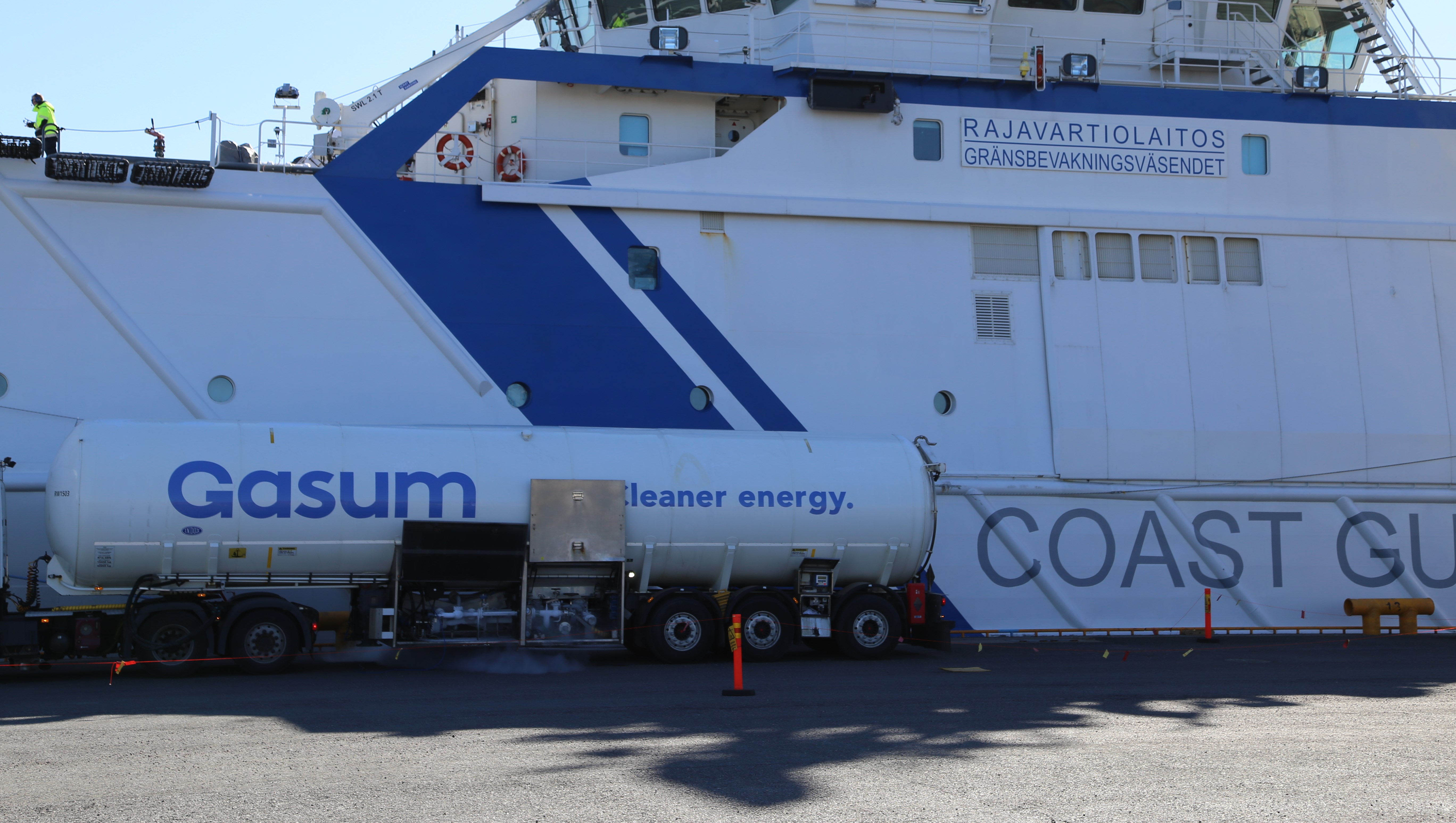 Gasum performs two biogas deliveries for the Finnish Border Guard. One delivery from Risavika in Norway and another from the Turku biogas plant, in Finland. The purpose of these deliveries is to test logistics and practicalities on board as well as demonstrate biogas as a renewable energy source in maritime transport.Gasum begins test deliveries of liquefied biogas (LBG) for the Finnish Border Guard. The deliveries from Gasum’s plant in Risavika, Norway and the biogas plant in Turku, Finland to Helsinki will demonstrate liquefied biogas (LBG) as a fossil-free and 100% renewable fuel suited
 The energy company Gasum has published its Corporate Responsibility Report and Responsibility Highlights for 2020. The report focuses on key impacts from the social, environmental and economic perspectives.At Gasum, our purpose is cleaner energy. Gasum takes determined steps to promote sustainable development in accordance with the principles of circular economy and supports the sustainability actions of customers by enabling emission reductions with cleaner energy solutions. In our own activities, we promote the wellbeing and safety of our own employees, reduce our environmental impacts
 Gasum is progressing towards carbon neutrality by setting new environmental targets to mitigate climate change. The company seeks to increase the availability of biogas to reach cumulative carbon emission reductions of a million tons. By 2025, Gasum intends to make 4 TWh of biogas available on the market from the company’s own production and that of certified European partners. In its own operations, Gasum aims to reduce the emissions in liquefied natural gas (LNG) and biogas production chains and to implement energy efficiency measures.”Responsibility is a key element in Gasum’s strategy.
 The energy company Gasum provides grants to researchers every year. Research, technology and innovations play key roles in the journey towards a clean and sustainable Nordic gas ecosystem. A forerunner in the gas and energy sector, Gasum invests in the development of new technologies, concepts and energy systems. The application period for the year’s grants are open and will end in February 10, 2021.The Gasum Gas Fund aims to respond to society’s transformational challenges by developing energy solutions based on gas and producing information supporting the development of the gas sector.
 LAB University of Applied Sciences (LAB), LUT University (LUT) and Lahti Region Development LADEC are studying a regional carbon dioxide emissions recycling concept in Päijät-Häme. A capture and purification pilot aimed at utilizing recycled carbon dioxide (biocarbon dioxide) is under way in partnership with Päijät-Häme Waste Management (PHJ) at the Kujala waste center in Lahti, LABIO Oy and Gasum.The carbon capture pilot is part of the BIOSYKLI project, which is studying the largest regional producers of carbon dioxide and regional users for captured and purified carbon dioxide. The carbon